- Follow Us:
- (910) 488-0711
- [email protected]

Skilled Nursing Facilities: Comprehensive Care for Your Loved Ones in Fayetteville, NC
April 3, 2026
7 Signs You’ve Found the Right Long Term Care Facility in Fayetteville NC
May 19, 2026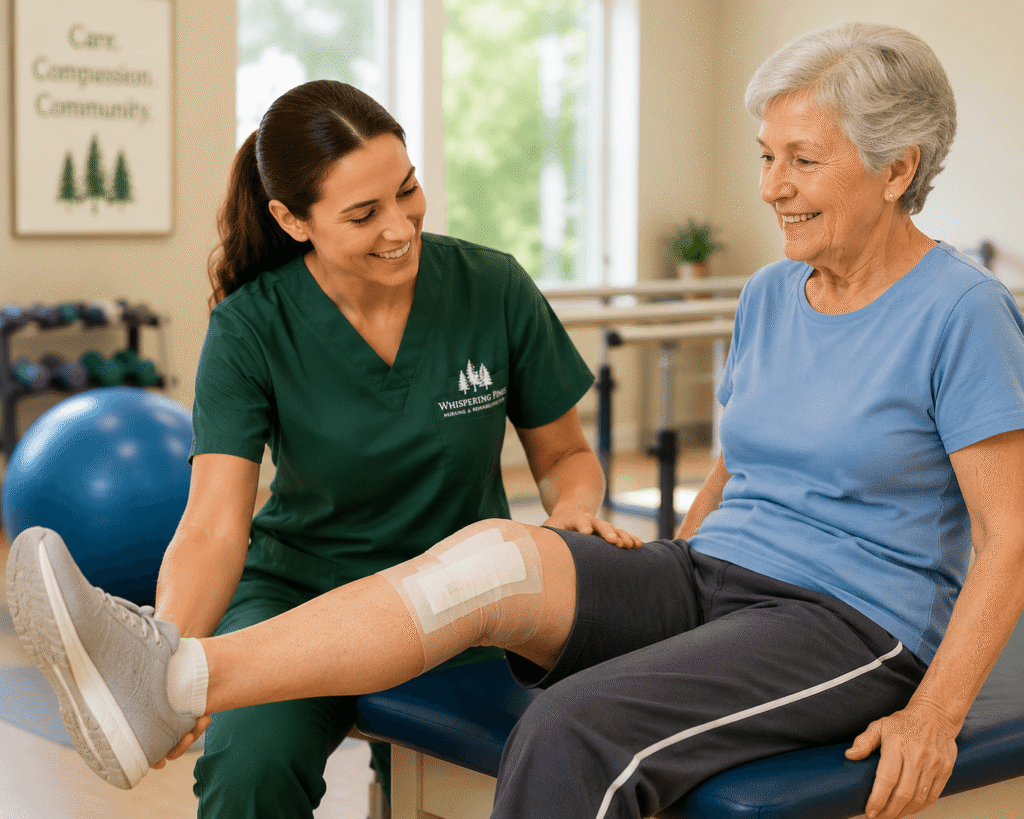
Recovering from knee surgery can feel like stepping into the unknown. One of the first questions most people ask is, “How long will it take to get back to normal?” The truth is, rehabilitation after knee surgery isn’t a one-size-fits-all journey, but having a clear timeline can make the process feel much more manageable. Let’s walk through what you can expect, week by week, and how the right care from the expert therapy team at Whispering Pines Nursing and Rehab can make all the difference.
Whether you’ve had a knee replacement, ligament repair, or another procedure, recovery is a gradual process. With the right approach, guidance, and patience, most people regain mobility, reduce pain, and return to daily activities stronger than before. Understanding the phases of healing helps you stay motivated and confident along the way.
Factors That Affect Rehabilitation After Knee Surgery
Before diving into the timeline, it’s important to understand that recovery can vary based on several key factors:
- Type of surgery (total knee replacement vs. arthroscopic repair)
- Age and overall health
- Pre-surgery mobility and strength
- Commitment to physical therapy
- Presence of complications or underlying conditions
Each of these plays a role in how quickly and effectively your body heals.
Week 1: Immediate Post-Surgery Recovery
The first week is all about healing and managing discomfort. You’ll likely experience swelling, stiffness, and limited movement.
During this phase:
- Pain management is a top priority
- Gentle movement begins (often within 24 hours)
- Physical therapists introduce basic exercises to improve circulation and prevent stiffness
Many patients begin rehabilitation in a supervised setting to ensure they’re moving safely and correctly.
Weeks 2-4: Early Rehabilitation Phase
By the second week, you’ll start noticing small but encouraging improvements. While discomfort may still be present, mobility begins to increase.
Focus areas include:
- Improving range of motion
- Beginning weight-bearing activities (as approved by your doctor)
- Strengthening surrounding muscles
Consistency is key here. Regular therapy sessions help build a solid foundation for the next stages of recovery.
Weeks 4-6: Building Strength and Mobility
This is when progress often becomes more noticeable. You may find it easier to walk, bend your knee, and perform daily activities.
During this phase:
- Strength exercises become more advanced
- Balance and coordination training is introduced
- Walking aids may begin to phase out
Patients who stay committed to their therapy plan often experience significant gains during this period.
Weeks 6-12: Advanced Rehabilitation
At this stage, many people feel a renewed sense of independence. While you’re not fully recovered yet, your knee is becoming stronger and more stable.
Expect:
- Increased endurance and flexibility
- More challenging exercises tailored to your goals
- Gradual return to normal routines
For some, this is when activities like driving or light recreational exercise become possible again.
3-6 Months: Long-Term Recovery
Recovery doesn’t stop after a few weeks. It continues to evolve. Between three and six months, your knee should feel much more natural.
During this phase:
- Strength and mobility continue to improve
- Swelling significantly decreases
- You regain confidence in movement
This is often when patients return to more active lifestyles, though high-impact activities may still require caution.
When Will You Fully Recover?
Full recovery can take anywhere from six months to a year, depending on the individual and the procedure. While that may sound like a long time, most patients notice steady improvement throughout the process.
The goal isn’t just healing. It’s regaining quality of life.
Why Professional Rehabilitation Speeds Up Recovery
Working with trained professionals can dramatically improve outcomes. Skilled therapists provide:
- Personalized treatment plans
- Proper exercise techniques to prevent injury
- Ongoing progress monitoring
- Motivation and support during challenging moments
Facilities like Whispering Pines Nursing and Rehab offer comprehensive therapy programs designed to help patients recover safely and efficiently. Having expert guidance ensures you’re not just healing, but healing the right way.
Tips to Improve Your Rehabilitation After Knee Surgery
Want to get the most out of your recovery? Keep these tips in mind:
- Stay consistent with your therapy routine
- Follow medical advice closely, don’t rush the process
- Keep moving (within recommended limits)
- Manage swelling with rest, elevation, and ice
- Maintain a healthy diet to support healing
- Stay positive – progress takes time
Small daily efforts add up to big results over time.
When to Seek Additional Help
While some discomfort is normal, certain signs shouldn’t be ignored. Contact your healthcare provider if you experience:
- Severe or worsening pain
- Signs of infection (redness, warmth, fever)
- Limited progress in mobility
- Unusual swelling or instability
Early intervention can prevent setbacks and keep your recovery on track.
Conclusion: Your Path to Recovery Starts Here
Rehabilitation after knee surgery is a journey, but it’s one you don’t have to take alone. With the right support, guidance, and commitment, you can regain strength, mobility, and confidence.
If you or a loved one is preparing for or recovering from knee surgery, the experienced therapy team at Whispering Pines Nursing and Rehab is here to help every step of the way. From personalized care plans to compassionate support, we’re dedicated to helping you get back on your feet safely and successfully.
Learn more about our therapy services here: https://www.wpnursing.com/therapy/
Because recovery isn’t just about healing. It’s about getting back to living.