- Follow Us:
- (910) 488-0711
- [email protected]

How Skilled Nursing Facilities Help Seniors Stay Safe and Healthy During Winter
November 16, 2026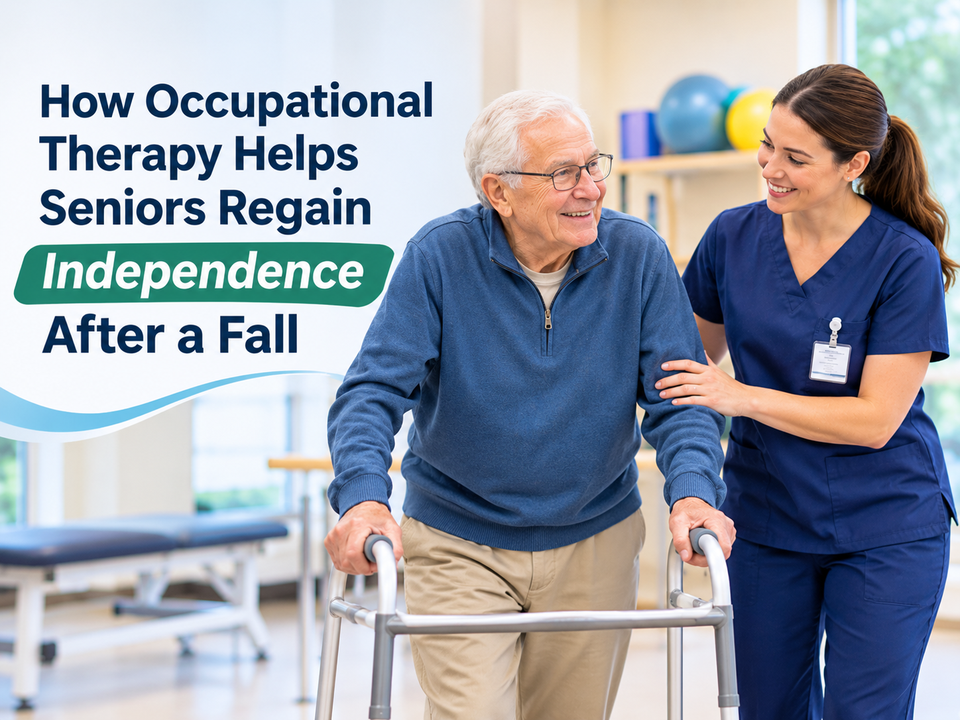
A fall can change an older adult’s daily life in ways that aren’t always immediately obvious.
Beyond the possibility of broken bones, bruises, or other injuries, a fall can leave seniors feeling uncertain about activities they once completed without a second thought. Walking to the bathroom, stepping into the shower, getting dressed, or preparing a meal may suddenly feel more challenging, especially when pain, weakness, or fear of falling again becomes part of the recovery process.
For families, watching a loved one struggle with familiar routines can be concerning. A parent who previously lived independently may begin needing assistance with personal care, household tasks, or moving safely around the home. Even when physical injuries are healing, rebuilding the skills and confidence needed for everyday life can take additional time and support.
Occupational therapy plays an important role in helping seniors navigate these challenges. By focusing on the practical activities that make up daily life, occupational therapists help older adults develop strategies for completing tasks more safely, improving functional abilities, and working toward greater independence. At Whispering Pines Nursing and Rehab in Fayetteville, North Carolina, personalized rehabilitation can support seniors as they recover from a fall and prepare for the next stage of care.
Jump To Section
Understanding Falls
How Falls Can Affect a Senior’s Independence
Falls are a significant health concern for older adults because their effects can extend beyond the initial injury. While some seniors recover relatively quickly, others experience fractures, soft tissue injuries, pain, or reduced mobility that make everyday activities more difficult. A fall may also reveal underlying concerns such as muscle weakness, balance problems, medication side effects, or changes in vision that increase the likelihood of future falls.
Even when a fall doesn’t cause a serious injury, it can affect a person’s confidence. Someone who previously enjoyed walking around the neighborhood may become hesitant to leave the house, while another individual may begin avoiding stairs or standing for extended periods. This fear is understandable, particularly when the experience was painful or frightening, but avoiding movement altogether can contribute to further weakness and reduced endurance.
Changes in independence can also affect emotional well-being. Seniors who have spent years managing their own homes and routines may feel frustrated when they suddenly need assistance with dressing, bathing, or preparing meals. Families may find themselves taking on new caregiving responsibilities while trying to determine which activities their loved one can safely complete.
Rehabilitation addresses these challenges by considering both physical recovery and the practical skills needed for daily life. Rather than focusing exclusively on the injury, therapy helps seniors work toward activities that are meaningful to them and appropriate for their current abilities.
The Role of Therapy
What Is Occupational Therapy, and How Does It Help After a Fall?
Occupational therapy is a rehabilitation service that helps individuals participate in the everyday activities they need and want to perform. Despite its name, occupational therapy isn’t limited to employment or work-related tasks. In healthcare, the term occupation refers to meaningful daily activities, including personal care, household responsibilities, hobbies, and social participation.
After a fall, an occupational therapist evaluates how an individual’s injuries, strength, coordination, mobility, and confidence affect their ability to complete these activities. The therapist may observe how a senior gets dressed, transfers from a bed to a chair, uses the bathroom, or performs other familiar routines. This information helps identify specific challenges and establish realistic goals for rehabilitation.
Treatment is then tailored to the person’s needs. For one resident, the priority may be learning how to dress independently after a hip fracture. Another may need assistance improving hand coordination or practicing safe techniques for getting in and out of the shower. Someone recovering from a fall-related hospitalization may also need strategies for managing fatigue while rebuilding endurance.
Through individualized treatment, occupational therapy helps seniors develop practical skills that can make everyday routines more manageable. The goal is to encourage as much independence as safely possible while recognizing that recovery looks different for everyone.
Daily Living
Rebuilding Essential Daily Living Skills
One of the most important areas of occupational therapy after a fall is helping seniors regain the ability to complete activities of daily living, often called ADLs. These include bathing, dressing, grooming, toileting, eating, and moving between positions or surfaces. Although these activities may seem routine, they require a combination of strength, balance, coordination, flexibility, and problem-solving.
Consider a senior recovering from a hip fracture who has difficulty bending or standing for long periods. Getting dressed may require new techniques, additional time, or adaptive equipment. An occupational therapist can help the individual practice appropriate methods for putting on clothing while following any medical precautions established by the healthcare team.
Bathing and toileting may present different challenges because they often involve slippery surfaces, limited space, and changes in position. Therapy can focus on safe transfers, appropriate use of bathroom equipment, and techniques that reduce unnecessary physical strain. Residents may also practice grooming or other personal care tasks in ways that reflect their current mobility and endurance.
These activities are important because they directly affect a senior’s ability to manage daily life. Regaining the ability to complete even part of a personal care routine with less assistance can represent meaningful progress, particularly for someone who initially required extensive support after a fall.
Movement & Safety
Improving Balance, Coordination, and Functional Safety
Balance and coordination are essential for many everyday activities, including standing at a sink, reaching for clothing, transferring to a chair, or moving safely through a bathroom. After a fall, weakness, pain, reduced mobility, or fear of movement may make these tasks more difficult.
Occupational therapy can help seniors improve functional safety by practicing activities that require controlled movement and appropriate body positioning. For example, a resident may work on maintaining stability while reaching for personal items, safely transferring between surfaces, or completing a grooming task while standing with the recommended level of support.
Therapists may also help individuals recognize situations that increase their risk of losing balance. Reaching too far outside a stable position, attempting to carry multiple items while using a walker, or rushing through transfers can create unnecessary hazards. Learning safer approaches to these activities can help residents become more aware of their movements and surroundings.
Physical therapy often works alongside occupational therapy during fall recovery, with a greater emphasis on walking, lower-body strength, balance training, and mobility. Together, these disciplines can address both the physical abilities needed for movement and the practical application of those abilities during daily routines.
For families exploring comprehensive rehabilitation services, understanding how physical and occupational therapy complement one another can provide a clearer picture of the recovery process.
Practical Support
How Adaptive Equipment Can Support Greater Independence
Sometimes, regaining independence doesn’t mean performing an activity exactly the way it was done before a fall. Instead, it may involve learning a different technique or using equipment that makes the task safer and more manageable.
Occupational therapists can assess whether adaptive equipment may be helpful based on a senior’s physical abilities, medical precautions, and daily needs. Common examples include reachers, long-handled shoehorns, sock aids, dressing sticks, shower chairs, and raised toilet seats. These tools can reduce the need for difficult movements and help individuals complete certain activities with less assistance.
For example, a senior recovering from hip surgery may have temporary restrictions on bending. A reacher or sock aid may allow the person to manage parts of their dressing routine while following those precautions. Someone who becomes fatigued while standing in the shower may benefit from an appropriately recommended shower chair that provides a stable place to sit.
However, equipment should be selected carefully rather than purchased based solely on convenience. A device that works well for one person may be unsuitable for another because of differences in strength, balance, coordination, or medical needs. Occupational therapists can help residents learn how to use recommended equipment correctly and determine whether it supports their individual goals.
Safer Routines
Identifying Fall Hazards and Creating Safer Daily Routines
Recovering from a fall also involves understanding what may have contributed to the incident and identifying ways to reduce future risks. While not every fall can be prevented, many common hazards can be addressed through changes to the environment, daily habits, or the level of assistance available.
At home, potential hazards may include loose rugs, cluttered walkways, poor lighting, slippery bathroom floors, and frequently used items stored in difficult-to-reach places. Seniors with limited mobility may also struggle with narrow spaces, uneven surfaces, or furniture that is difficult to get in and out of safely.
Occupational therapists can help residents and families consider how the home environment may affect daily activities. Recommendations might include improving lighting, removing tripping hazards, organizing essential items within easy reach, or using appropriately installed bathroom safety equipment. The goal is to make necessary routines easier to complete without introducing additional risks.
Daily habits matter as well. A senior who frequently rushes to answer the phone or reach the bathroom may benefit from planning ahead and allowing more time for movement. Someone who experiences dizziness when standing may need medical evaluation and guidance about safer position changes.
Fall prevention is most effective when it considers the whole person, including medical conditions, medications, vision, mobility, environmental hazards, and personal routines.
Building Confidence
Rebuilding Confidence After a Fall
The emotional effects of falling can sometimes last longer than the physical injury. Seniors who have experienced a frightening fall may become hesitant to move independently, even after their strength begins improving. They may worry about losing balance while bathing, standing from a chair, or walking across a room.
This fear can influence everyday decisions. Someone who previously enjoyed cooking may avoid the kitchen because standing feels unsafe, while another person may stop participating in social activities because walking to a common area seems intimidating. Over time, these limitations can reduce opportunities for movement, social connection, and personal enjoyment.
Occupational therapy can help address these concerns through supervised practice and gradual skill development. As residents become more familiar with safe techniques and begin completing activities with appropriate assistance, they may develop greater confidence in their abilities. Therapy also provides opportunities to discuss concerns, recognize progress, and establish achievable goals.
Confidence doesn’t always return immediately, and some individuals may need additional emotional support after a serious fall. However, helping seniors experience success with meaningful daily activities can be an important part of rebuilding their sense of independence.
Individualized Care
The Importance of Personalized Rehabilitation Goals
No two seniors experience a fall in exactly the same way, which is why rehabilitation should reflect individual needs rather than following a standard timeline. One person may be recovering from a wrist fracture, while another is rebuilding mobility after a hip injury. Some residents may have chronic health conditions that affect endurance or balance, while others may be adjusting to temporary restrictions following surgery.
Occupational therapists consider these differences when developing treatment goals. Rather than measuring success only through strength or range of motion, therapy also looks at how well a person can perform the activities that matter in daily life. A resident who enjoys cooking may want to regain the ability to prepare simple meals, while someone else may prioritize dressing independently or safely using the bathroom.
Progress may occur gradually, and meaningful improvements aren’t always dramatic. Being able to complete a grooming routine with less assistance, transfer more safely, or use adaptive equipment correctly can represent important steps toward greater independence.
Personalized goals also help residents remain involved in their rehabilitation. When therapy focuses on activities they recognize as important, seniors may feel more motivated to participate and better understand how their progress relates to returning to familiar routines.
Planning Ahead
How Occupational Therapy Helps Seniors Prepare to Return Home
For many older adults receiving rehabilitation after a fall, returning home is an important goal. However, a safe transition involves more than recovering from the initial injury. Seniors also need to consider whether they can manage essential activities in their home environment and what assistance may still be necessary.
Occupational therapy can contribute to discharge planning by helping evaluate daily living skills and identifying equipment or environmental modifications that may support safety. A resident may be able to walk short distances but still require assistance with bathing or meal preparation. Another individual may have improved strength but need additional practice with transfers or managing household routines.
Families can benefit from understanding these functional needs before discharge. Depending on the situation, caregivers may need education about safe assistance techniques, recommended equipment, or changes that can make the home easier to navigate. Continued therapy may also be recommended when additional progress is expected after leaving the rehabilitation setting.
Preparing for these needs helps establish realistic expectations. Returning home doesn’t necessarily mean recovery is complete, but thoughtful planning can help seniors and families approach the next stage with greater confidence.
Close to Home
Personalized Rehabilitation at Whispering Pines Nursing & Rehabilitation Center
At Whispering Pines Nursing and Rehab, we understand that recovering from a fall can affect much more than physical mobility. Everyday activities that once felt simple may suddenly require additional effort, assistance, or new approaches. Helping residents rebuild these skills is an important part of supporting their independence and overall quality of life.
Our rehabilitation and nursing services focus on addressing individual needs and helping residents work toward meaningful functional goals. Depending on the resident’s condition and care plan, occupational therapy may help with daily living skills, safe transfers, adaptive equipment, coordination, and strategies for managing everyday activities.
Through comprehensive rehabilitation services, physical and occupational therapy can complement one another by addressing mobility, strength, balance, and the practical skills needed for daily life. This coordinated approach helps residents work toward greater independence while considering their medical needs, personal preferences, and recovery goals.
For families researching Whispering Pines Rehab in Fayetteville, NC, understanding the role of occupational therapy can help clarify what rehabilitation may involve after a fall. Recovery isn’t simply about healing an injury; it’s also about helping seniors feel more capable of participating in the routines and activities that make life meaningful.
At Whispering Pines, our focus is on supporting residents through individualized care that encourages progress, promotes safety, and helps prepare them for the next stage of recovery. Whether the goal is dressing more independently, moving safely around the home, or returning to a favorite activity, every meaningful improvement can be an important step toward regaining confidence and independence.
Your Questions, Answered
Frequently Asked Questions About Occupational Therapy After a Fall
How does occupational therapy help seniors recover after a fall?
Occupational therapy helps seniors rebuild the practical skills needed for everyday activities, including dressing, bathing, grooming, toileting, and safe transfers. Therapists evaluate how injuries, weakness, balance problems, or other limitations affect daily function and develop individualized strategies to address those challenges. Treatment may include practicing daily routines, learning safer movement techniques, and using appropriate adaptive equipment to support greater independence.
What is the difference between physical therapy and occupational therapy after a fall?
Physical therapy generally focuses on improving strength, balance, walking ability, mobility, and other physical functions needed for movement. Occupational therapy emphasizes how those abilities are used during everyday activities such as dressing, bathing, preparing meals, and managing personal care. The two services often work together during rehabilitation to address both physical recovery and functional independence.
Can occupational therapy help prevent another fall?
Occupational therapy can help reduce certain fall risks by identifying unsafe movement patterns, recommending appropriate equipment, and teaching safer ways to complete daily activities. Therapists may also help seniors and families recognize environmental hazards, such as poor lighting, loose rugs, or difficult bathroom layouts. Although no intervention can eliminate every fall risk, individualized prevention strategies can help make everyday routines safer.
What adaptive equipment might a senior need after a fall?
Depending on the individual’s needs, an occupational therapist may recommend equipment such as a shower chair, raised toilet seat, reacher, sock aid, dressing stick, or other devices that make daily activities easier to complete. The appropriate equipment depends on factors such as mobility, strength, balance, and any medical precautions. A therapist can help determine which devices are suitable and teach the individual how to use them safely.
How long does occupational therapy take after a fall?
The length of occupational therapy varies according to the severity of the injury, the person’s overall health, functional abilities, and rehabilitation goals. Some seniors may need a relatively short period of therapy, while others benefit from more extensive rehabilitation or continued services after returning home. The care team can monitor progress and adjust treatment recommendations based on the individual’s changing needs.
Let’s Plan Your Loved One’s Recovery Together
Contact our Fayetteville rehabilitation team to learn more about occupational therapy and personalized rehabilitation after a fall.