- Follow Us:
- (910) 488-0711
- [email protected]

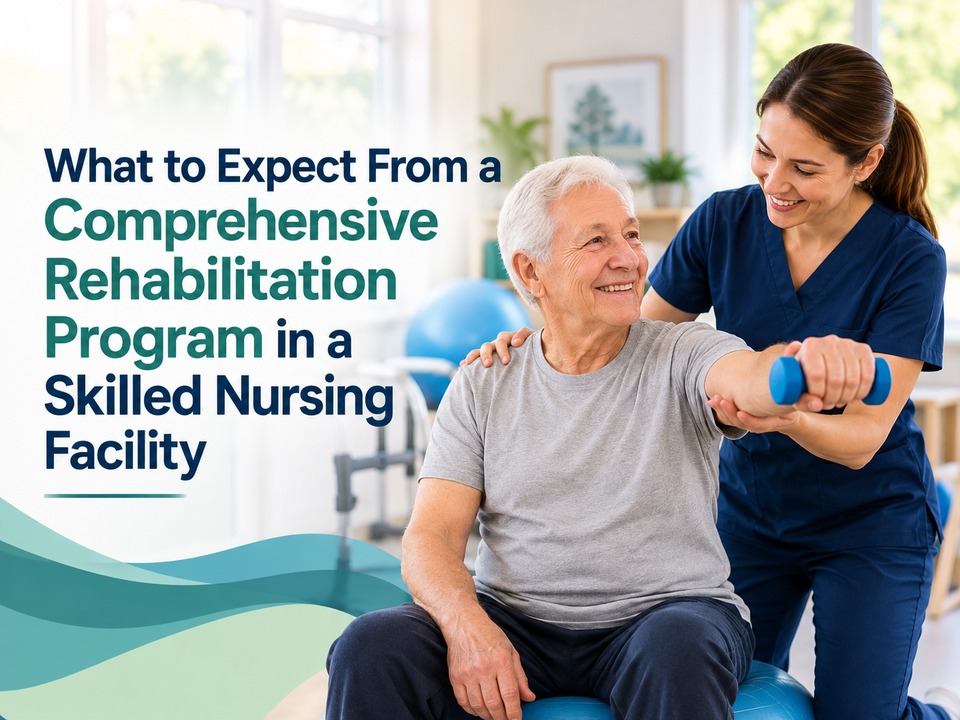
What to Expect From a Comprehensive Rehabilitation Program in a Skilled Nursing Facility
October 23, 2026
Winter can be a beautiful time of year, bringing holiday celebrations, family gatherings, and opportunities to enjoy a slower pace.
However, colder temperatures and shorter days can also create challenges for older adults, particularly those managing chronic health conditions, recovering from an illness, or experiencing limited mobility. Even in North Carolina, where winters are generally milder than in many other parts of the country, sudden temperature changes, icy conditions, and seasonal illnesses can affect senior health and safety.
For families caring for an aging loved one, winter often brings additional concerns. Will Mom be able to move around safely if the sidewalks become icy? Is Dad drinking enough water when he doesn’t feel thirsty? Could cold weather make an existing medical condition more difficult to manage? These are important questions, especially when a senior already needs assistance with everyday activities or medical care.
A skilled nursing facility in Fayetteville, NC can help address many of these seasonal concerns through individualized nursing care, rehabilitation services, fall prevention strategies, nutritional support, and opportunities for meaningful daily engagement. At Whispering Pines Nursing & Rehabilitation Center, supporting residents’ health and well-being involves recognizing their individual needs and helping them remain safe, comfortable, and engaged throughout the winter months.
Jump To Section
Know the Risks
Understanding Common Winter Health Risks for Seniors
Winter presents several health and safety concerns that can affect older adults differently than younger individuals. As people age, changes in circulation, metabolism, mobility, and the body’s ability to regulate temperature can make it more difficult to respond to cold conditions. Seniors may also be managing medical conditions or taking medications that influence how their bodies react to changes in temperature.
Cold weather can place additional strain on the cardiovascular and respiratory systems, particularly for individuals with existing heart or lung conditions. Seasonal respiratory infections can also be more serious for older adults, including:
Influenza
COVID-19
Respiratory syncytial virus (RSV)
Spending more time indoors during the winter may increase opportunities for respiratory illnesses to spread, especially in shared living environments.
Winter can affect daily routines as well. Shorter days and unpleasant weather may discourage outdoor activity, leading some seniors to spend more time sitting or remaining indoors. Over time, reduced movement can contribute to stiffness, weakness, and decreased endurance. Limited sunlight and fewer opportunities for social interaction may also affect mood and emotional well-being.
Skilled nursing facilities can help residents navigate these challenges by monitoring health concerns, encouraging appropriate activity, and providing support tailored to individual medical and functional needs.
Rather than treating winter wellness as a single issue, a comprehensive approach considers how physical health, mobility, nutrition, and emotional well-being work together.
Safe Footing
Preventing Falls and Addressing Winter Mobility Challenges
Falls are a significant concern for older adults throughout the year, but winter conditions can introduce additional hazards that may increase the likelihood of losing balance, such as:
Wet entryways
Icy sidewalks
Slippery footwear
Changes in daily routines
Even indoors, reduced physical activity during colder months can contribute to weakness or stiffness that makes walking and transferring more difficult.
For seniors who already use walkers, canes, or wheelchairs, navigating unfamiliar or slippery surfaces may require additional assistance. Someone recovering from surgery or managing arthritis may also experience discomfort or reduced mobility that makes everyday movements more challenging. These concerns highlight the importance of maintaining strength, balance, and safe movement during winter.
In a skilled nursing setting, fall prevention may involve:
Individual risk assessment. Assessing each resident’s individual risk factors.
Mobility equipment. Helping residents use mobility equipment appropriately.
Clear walking areas. Keeping walking areas clear of obstacles.
Hands-on support. Assisting residents with transfers and daily activities according to their care plans, while rehabilitation professionals address functional limitations that may contribute to instability.
Physical therapy can play an important role in helping seniors maintain or improve strength, balance, coordination, and walking ability. For residents receiving rehabilitation services, therapy may include exercises and functional training designed around their medical conditions and current abilities. Maintaining appropriate movement throughout winter can help reduce the effects of inactivity while supporting greater confidence during everyday activities.
Families comparing rehab centers in Fayetteville, NC, may find it helpful to ask how rehabilitation teams address fall risk, mobility limitations, and safe movement during seasonal changes.
Consistent Care
Managing Chronic Health Conditions During Colder Weather
Many older adults live with chronic health conditions that require consistent attention throughout the year. During winter, however, changes in temperature, activity levels, and exposure to seasonal illnesses can make managing these conditions more complicated. Seniors with heart disease, COPD, diabetes, arthritis, or other ongoing health concerns may need additional monitoring or adjustments to their daily routines.
For example:
Chronic lung conditions: Cold air can aggravate respiratory symptoms in some individuals.
Cardiovascular disease: People may experience additional physical strain when exposed to low temperatures.
Arthritis: Some people notice increased stiffness or discomfort.
Winter illnesses: These can disrupt blood glucose management, hydration, appetite, and overall energy levels.
Skilled nursing care helps address these concerns through:
Ongoing observation
Medication administration
Assistance with prescribed treatments
Communication with healthcare providers when a resident’s condition changes
Nursing professionals can monitor for symptoms that may require medical attention and help residents follow individualized care plans.
Consistency is particularly important during the winter months. For residents with multiple medical conditions, coordinated care provides an opportunity to address overlapping needs while considering the individual’s overall health and comfort.
Maintaining prescribed medications, attending necessary medical appointments, and recognizing changes in symptoms can help prevent manageable concerns from becoming more serious.
Infection Prevention
Reducing the Risk of Seasonal Respiratory Illnesses
Respiratory illnesses are another important winter concern, especially for older adults whose immune systems may be less effective at responding to infections. Influenza, COVID-19, RSV, and other respiratory viruses can cause significant complications in seniors, particularly those with underlying medical conditions.
Skilled nursing facilities use infection prevention practices to help reduce the spread of illness. These may include:
Hand hygiene
Appropriate cleaning procedures
Symptom monitoring
Staff education
Infection control measures based on current public health guidance
Facilities also coordinate with healthcare providers regarding recommended vaccinations and other preventive care.
Recognizing symptoms early is an important part of protecting resident health. While fever and coughing are familiar signs of respiratory illness, older adults may sometimes experience less typical symptoms, such as:
Unusual fatigue
Weakness
Reduced appetite
Changes in mental status
Prompt evaluation can help determine whether additional treatment or monitoring is needed.
Families also play a role in infection prevention. These steps can help protect residents and staff:
Staying home when ill
Following facility guidance during outbreaks
Practicing good hand hygiene
These precautions are especially meaningful during winter, when respiratory infections tend to circulate more frequently.
Fuel for Recovery
Why Proper Nutrition Matters During Winter
Good nutrition supports health throughout the year, but it becomes particularly important when seniors are managing seasonal illnesses, recovering from medical conditions, or participating in rehabilitation. The body needs adequate nutrients to maintain muscle function, support immune health, and provide energy for everyday activities.
Some older adults experience changes in appetite during winter, particularly when they are less active or feeling unwell. Others may have difficulty eating enough because of medical conditions, medication effects, or challenges with chewing and swallowing. When nutritional intake becomes inadequate, seniors may experience weakness, unintended weight loss, or difficulty maintaining the strength needed for daily activities.
Skilled nursing facilities can help address these concerns by:
Monitoring nutritional needs
Providing appropriate meals
Coordinating dietary recommendations with healthcare professionals
Residents with diabetes, swallowing difficulties, or other medical conditions may require individualized meal plans or modifications based on their care needs.
Nutrition also supports rehabilitation. Seniors working to rebuild strength and mobility need sufficient energy and protein to support muscle maintenance and recovery.
By considering nutrition alongside therapy and nursing care, rehabilitation teams can help residents work toward functional goals while addressing factors that influence overall health.
Hydration Matters
Staying Hydrated When It’s Cold Outside
Dehydration is often associated with hot summer weather, but it can also be a concern during winter. Older adults may experience a reduced sense of thirst, and cooler temperatures can make drinking water feel less important. Some individuals also limit fluids because they worry about needing frequent bathroom trips, particularly when mobility is difficult.
Inadequate hydration can contribute to:
Dizziness
Constipation
Confusion
Other health concerns
For seniors who already have balance problems, dizziness or weakness may increase the risk of falling. Hydration needs can also be affected by medications, illnesses, and chronic medical conditions.
In a skilled nursing environment, staff can help monitor fluid intake when appropriate and encourage residents to drink regularly according to their individual care plans. Water, milk, soups, and other suitable beverages may contribute to daily fluid intake, depending on dietary needs and preferences.
It’s important to recognize that some residents, particularly those with certain heart or kidney conditions, may have prescribed fluid restrictions. Hydration recommendations should therefore reflect the individual’s medical needs rather than following a one-size-fits-all approach.
Keep Moving
Encouraging Indoor Physical Activity During Winter
When temperatures drop and outdoor conditions become less inviting, maintaining an active routine can be more challenging. However, regular movement remains important for seniors who want to preserve strength, flexibility, balance, and endurance. Extended periods of inactivity can make everyday activities more difficult, particularly for individuals who already experience mobility limitations.
Skilled nursing and rehabilitation facilities can provide opportunities for appropriate indoor movement that reflect each resident’s abilities and medical recommendations. Depending on the individual’s needs, activities may include:
Supervised walking
Seated movement programs
Gentle stretching
Participation in physical therapy
For residents recovering from surgery, illness, or injury, rehabilitation services may focus on specific functional goals, such as:
Walking safely
Transferring between surfaces
Improving balance
Completing daily activities with less assistance
These goals remain important during winter, even when outdoor activities are limited.
Movement doesn’t always have to involve a formal exercise session, either. Participating in recreational activities, moving between common areas with appropriate assistance, or engaging in daily routines can provide opportunities for safe physical participation.
The key is helping residents remain appropriately active without exceeding their abilities or medical limitations.
Mind & Spirit
Supporting Mental and Emotional Wellness Through Meaningful Activities
Winter wellness involves more than physical health. Shorter days, limited outdoor activities, and changes in familiar routines can affect emotional well-being, particularly for seniors who already experience loneliness or difficulty adjusting to a new living environment.
Meaningful social and recreational activities can help residents stay connected and engaged throughout the colder months. These may include:
Group games
Music programs
Arts and crafts
Seasonal celebrations
Opportunities for conversation
These activities can provide enjoyment while encouraging interaction with others.
These experiences can be especially valuable for residents who miss familiar community activities or find themselves spending more time indoors. A favorite song may bring back meaningful memories, while a craft project or friendly game can provide a sense of accomplishment. Simply spending time with others can help create opportunities for friendship and belonging.
Some residents enjoy lively group gatherings, while others prefer smaller activities, individual hobbies, or quiet time. Supporting these choices helps residents maintain a sense of independence and personal identity while encouraging participation in experiences they find meaningful.
Personal preferences should remain central to activity planning.
Staying Connected
The Importance of Family Connections During Winter
Family involvement can provide reassurance and emotional support throughout the year, but it may feel especially meaningful during winter and the holiday season. Familiar traditions, seasonal celebrations, and time spent together can help residents maintain connections to important people and memories.
Families can support their loved ones by:
Visiting regularly when possible
Sharing photographs
Making phone or video calls
Participating in appropriate community activities
Even simple interactions, such as reading together or talking about family traditions, can provide comfort and opportunities for meaningful engagement.
Winter weather and seasonal illnesses may occasionally make in-person visits more difficult. When travel isn’t practical, phone calls, video chats, and other forms of communication can help families remain connected. Nursing home residents also have important visitation rights, and facilities must respect those rights while following applicable health and safety requirements.
Maintaining these relationships can help residents feel supported and involved in family life, even when they are receiving care away from home.
Close to Home
Personalized Winter Care at Whispering Pines Nursing & Rehabilitation Center
At Whispering Pines Nursing & Rehabilitation Center, we understand that winter can create additional challenges for older adults, particularly those managing chronic health conditions, recovering from illness, or experiencing limited mobility. Supporting residents during the colder months means paying attention to their individual medical needs while also encouraging safe movement, meaningful engagement, and everyday comfort.
Our approach to skilled nursing and rehabilitation recognizes that every resident has different abilities, health concerns, and personal preferences. Depending on individual needs, care may involve:
Nursing support
Assistance with daily activities
Rehabilitation services
Nutritional considerations
Opportunities for social participation
For families considering a skilled nursing facility in Fayetteville, NC, understanding how a community supports resident safety and wellness throughout the year can provide valuable insight into its approach to care. Winter brings particular concerns, but thoughtful planning and individualized support can help residents continue working toward their health and functional goals.
At Whispering Pines Nursing Home, our focus is on helping residents feel safe, supported, and connected while receiving care that reflects their individual needs. Whether someone is recovering through short-term rehabilitation or receiving ongoing nursing care, maintaining physical health, emotional well-being, and meaningful daily routines remains important in every season.
Winter may bring colder temperatures and shorter days, but it doesn’t have to mean giving up the activities, relationships, and routines that contribute to a fulfilling life. With appropriate nursing care, rehabilitation, and opportunities for engagement, seniors can continue working toward greater comfort, safety, and quality of life throughout the season.
Your Questions, Answered
Frequently Asked Questions About Winter Safety in Skilled Nursing Facilities
What are the biggest winter health risks for seniors?
Common winter health risks for seniors include respiratory infections, falls, reduced physical activity, dehydration, and complications related to chronic medical conditions. Cold temperatures may also place additional strain on individuals with certain heart or lung conditions, while shorter days and limited social opportunities can affect emotional well-being. Individualized care and appropriate preventive measures can help address these concerns.
How do skilled nursing facilities help prevent falls during winter?
Skilled nursing facilities may use individualized fall risk assessments, assistance with mobility, appropriate use of walkers or other equipment, and environmental safety measures to reduce fall hazards. Physical therapy can also help residents work on strength, balance, and safe movement when appropriate. These strategies are especially important during winter, when slippery surfaces and reduced activity can create additional mobility challenges.
Can seniors continue physical therapy during the winter months?
Yes. Physical therapy can continue indoors throughout the winter, allowing residents to work toward mobility, strength, balance, and endurance goals regardless of outdoor weather conditions. Treatment plans are individualized according to each person’s medical needs and functional abilities. Maintaining appropriate activity during colder months may help reduce the effects of inactivity and support continued rehabilitation progress.
Why is hydration important for seniors during cold weather?
Seniors can become dehydrated during winter because they may feel less thirsty or drink fewer fluids when temperatures are cooler. Inadequate hydration can contribute to dizziness, weakness, constipation, and other health concerns. Skilled nursing staff can help monitor and encourage appropriate fluid intake based on each resident’s medical needs, including any prescribed fluid restrictions.
How do skilled nursing facilities support seniors’ emotional well-being during winter?
Skilled nursing facilities can encourage emotional well-being through meaningful activities, social interaction, family connections, and opportunities for residents to maintain familiar interests. Indoor recreation, music, creative programs, and seasonal celebrations can provide enjoyment when outdoor activities are limited. Personalized participation helps residents remain engaged while respecting their individual preferences and abilities.
Keep Your Loved One Safe and Supported This Winter
Our Fayetteville skilled nursing and rehabilitation team is here to answer your questions about nursing care, therapy, and daily life at Whispering Pines. Visit us, meet our caring staff, and see how we help residents stay safe, comfortable, and engaged in every season.