- Follow Us:
- (910) 488-0711
- [email protected]


Post-Shoulder Surgery Rehabilitation: Tips for a Safe and Successful Recovery
September 16, 2026
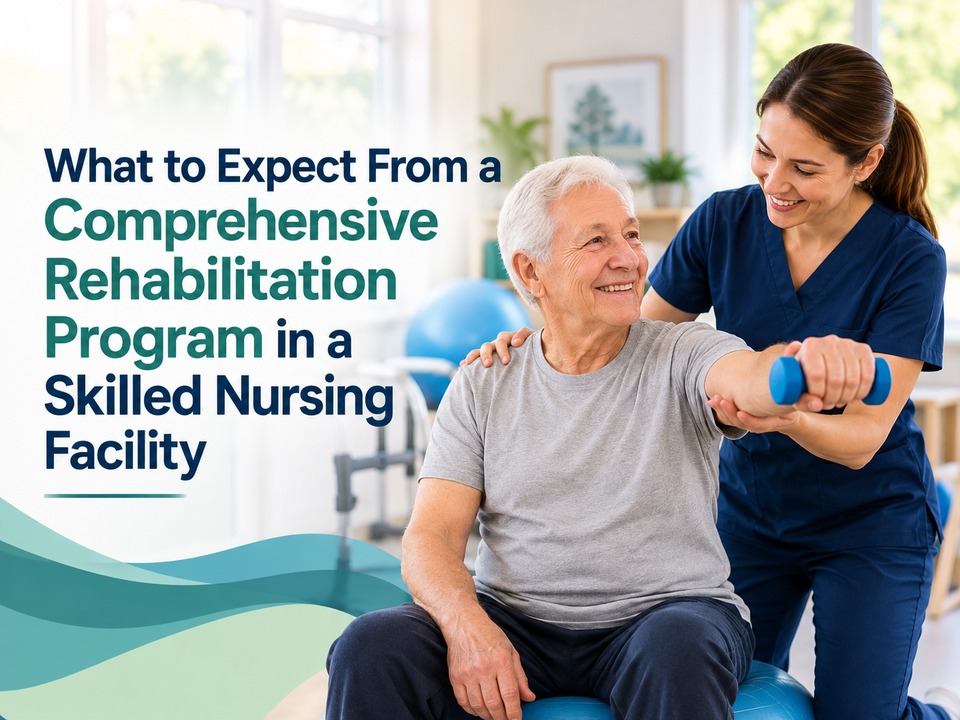
What to Expect From a Comprehensive Rehabilitation Program in a Skilled Nursing Facility
October 23, 2026
When everyday tasks become harder, the right nursing support can help your loved one live safely, comfortably, and with dignity.
When an older adult begins needing help with everyday activities, families often step in first. A spouse may help with bathing and dressing, an adult child may organize medications, or several family members may take turns preparing meals and providing transportation. Over time, however, care needs can become more complex.
A loved one may begin needing help getting out of bed, walking safely, using the bathroom, or managing a chronic medical condition. Someone may require supervision throughout the day or nursing services that family caregivers aren’t equipped to provide at home. At that point, families often begin exploring long-term care, and wondering how they’ll pay for it.
For eligible individuals, Medicaid nursing care may help cover nursing facility care when certain financial and medical requirements are met. Understanding how Medicaid relates to nursing home care, what services residents may receive, and how it differs from options such as respite care can make an unfamiliar process a little easier to navigate.
Jump To Section
The Basics
What Is Medicaid Nursing Care?
Medicaid is a joint federal and state program that provides health coverage to eligible individuals, including some older adults who require long-term services and support.
Medicaid nursing facility benefits can help eligible residents access care when they meet applicable requirements. This can be especially important for people who require ongoing assistance and don’t have sufficient resources to pay privately for long-term nursing home care.
The care itself is about much more than having a place to live. Residents may need assistance with activities of daily living, nursing oversight, medication-related services, meals, and other support based on their individualized care plans. Some residents may also have complex medical conditions that require ongoing monitoring and skilled nursing services.
Medicaid eligibility and coverage rules are specific and can change. Rather than assuming a loved one will automatically qualify, families should confirm current requirements with the appropriate state Medicaid resources or speak with a knowledgeable admissions professional.
Eligibility
Who Qualifies for Medicaid Nursing Care?
There isn’t one simple rule that determines whether someone qualifies for nursing home coverage through Medicaid. Eligibility generally involves both financial and care-related requirements, with specific rules determined by the state and the individual’s situation. Factors that may be considered include:
Income
Assets
Medical needs
Other personal circumstances
In North Carolina, families should use current state Medicaid guidance when evaluating eligibility. This distinction is important because simply being older or needing some help at home doesn’t necessarily mean someone qualifies for Medicaid-funded nursing facility care.
Families who think a loved one may qualify can begin gathering relevant financial and medical information and discussing the process with appropriate Medicaid resources. Nursing facility admissions staff may also be able to explain what documentation is generally needed and help families understand the admissions process.
Starting these conversations early can be helpful, particularly when a loved one’s care needs are increasing.
Everyday Support
Daily Assistance Can Make Everyday Life Safer
One of the most important roles of long-term nursing care is helping residents with activities they can no longer safely manage alone. These are often referred to as activities of daily living and may include:
Bathing, dressing, and grooming
Toileting
Eating
Moving from one place or position to another
The amount of assistance needed can vary considerably. One resident may need only some help getting dressed but be able to eat and move around independently. Another may require significant assistance with transfers, mobility, and personal care throughout the day. Good care should recognize those differences.
Providing assistance doesn’t necessarily mean doing everything for the resident. When possible and appropriate, residents can be encouraged to participate in the parts of an activity they can safely perform. Someone may need assistance getting into the shower but still be able to handle portions of bathing or grooming independently.
Supporting existing abilities can help preserve dignity and a sense of independence.
Moving Safely
Mobility Support Is an Important Part of Daily Care
Mobility challenges can affect nearly every part of an older adult’s routine. If someone has difficulty standing from a chair, that challenge may also affect toileting, bathing, meals, and participation in activities. Poor balance or weakness may make walking intimidating, while transferring between a bed and wheelchair can require assistance.
In a nursing facility, the care plan can reflect the resident’s individual mobility needs and safety considerations. Some residents may use walkers, wheelchairs, or other assistive equipment. Others may require staff assistance for certain transfers or activities.
The goal is to provide the appropriate level of support while recognizing what the resident can still do. Mobility needs may also change over time, which is why communication among residents, families, nursing professionals, rehabilitation staff when involved, and other members of the care team can be so important.
Clinical Care
The Role of Skilled Nursing Staff
Residents in long-term care may have needs that go beyond assistance with daily activities. Skilled nursing professionals provide clinical care according to each resident’s needs and medical orders. Depending on the individual, nursing services may include:
Medication management
Monitoring health conditions
Wound care when ordered
Other medically necessary services
Nurses also play an important role in recognizing changes in condition. An older adult may not always describe symptoms in the same way a younger person would. Changes in appetite, behavior, alertness, mobility, or participation in normal activities can sometimes provide important information.
Having nursing professionals involved in daily care means changes can be observed and addressed according to the resident’s care needs. This combination of personal assistance and clinical support is one reason families may consider Medicaid nursing care when a loved one’s needs have become difficult to manage safely at home.
Ongoing Health Needs
Supporting Seniors With Chronic Conditions
Many nursing home residents live with one or more chronic health conditions. These ongoing health concerns may affect daily routines, mobility, medications, diet, and overall independence. Common examples include:
Diabetes
Heart disease
Arthritis
Respiratory conditions
Neurological disorders and other ongoing health concerns
Managing multiple conditions can become complicated, particularly when an older adult also has difficulty remembering medications, preparing meals, getting to appointments, or recognizing changes that should be reported to a healthcare provider.
Long-term nursing care provides an environment where the resident’s ongoing needs can be incorporated into an individualized plan of care. That doesn’t mean chronic conditions disappear. Instead, nursing staff can provide appropriate support, monitoring, and coordination as part of the resident’s overall care.
Families should ask prospective facilities about their ability to address the specific medical and personal care needs their loved one has.
Living Well
Comfort, Dignity, and Quality of Life Matter Too
Medical care and safety are essential, but long-term care is also where residents live their daily lives. That means quality of life matters.
Residents should be treated as individuals with preferences, routines, interests, relationships, and personal histories, not simply as a collection of medical diagnoses.
Something as simple as choosing what to wear, participating in a favorite activity, talking with family, or maintaining a familiar routine can contribute to a sense of normalcy and control. Social activities and opportunities for engagement can also help residents stay connected to others.
When families evaluate a nursing facility, it’s worth looking beyond clinical services. Ask what a typical day is like, how resident preferences are incorporated into care, what activities are available, and how families can remain involved.
Know the Difference
Medicaid Nursing Care vs. Respite Care
Families sometimes encounter several different care terms while researching senior services, and the distinctions aren’t always obvious. Long-term Medicaid nursing facility care and respite care serve different purposes:
Medicaid nursing care generally refers to ongoing nursing facility care for eligible individuals who meet applicable financial and level-of-care requirements.
Respite care is typically temporary. It may be used when a family caregiver needs a break, has to travel, is dealing with an illness, or temporarily cannot provide the usual level of support.
For example, an adult daughter who normally cares for her mother at home might need temporary care while recovering from her own surgery. Respite services may provide a short-term solution, depending on availability and the individual’s care needs.
Families searching for respite care in Fayetteville, NC should ask prospective facilities about availability, length-of-stay requirements, services provided, admission criteria, and payment arrangements. Medicaid coverage should never be assumed for a particular respite stay without confirming eligibility and benefits.
Recognizing the Signs
When Is It Time to Consider Long-Term Nursing Care?
There’s rarely one single moment that tells a family it’s time to consider nursing facility care. More often, several challenges begin adding up:
A loved one has fallen repeatedly
Bathing and dressing have become increasingly difficult
Medication management has become confusing
A spouse who has provided years of care can no longer safely assist with transfers
Adult children are trying to coordinate around-the-clock care while also managing jobs and their own families
When care needs exceed what can safely and consistently be provided at home, it may be time to discuss additional options. A healthcare provider can help families understand medical and functional needs. Families can then explore available services, eligibility requirements, and potential care settings.
Beginning the conversation before a crisis occurs can provide more time to evaluate choices thoughtfully.
Making the Right Choice
Choosing a Medicaid Nursing Home in Fayetteville, NC
Choosing a nursing facility involves more than determining whether Medicaid is accepted. Families should consider whether the facility can appropriately address the individual’s specific needs. Questions worth asking include:
Services and support: nursing services, assistance with daily activities, care planning, dietary support, activities, communication with families, and any rehabilitation services that may be relevant
The environment: when visiting, pay attention to how staff interact with residents and whether the setting feels respectful and welcoming
Care plans and communication: how care plans are developed and updated, who to contact with questions, and how changes in a resident’s condition are communicated
Medicaid process: if Medicaid will be involved, ask the admissions team what information is needed and which parts of the application or eligibility process must be handled through state Medicaid resources
Our Approach
Care and Support at Whispering Pines Nursing & Rehabilitation
Finding the right level of care for an aging loved one can feel overwhelming, particularly when families are balancing medical needs, safety concerns, finances, and the desire to preserve as much independence as possible.
At Whispering Pines Nursing & Rehabilitation, tucked into the pines on 8.5 wooded acres right here in Fayetteville, care is centered on the individual needs of each resident. Nursing services, personal assistance, and other available support can help residents with the daily challenges that may make living independently increasingly difficult.
For families exploring long-term nursing care or respite care in Fayetteville, NC, asking questions early can make the process easier to understand. Learn about available services, discuss your loved one’s needs, and verify Medicaid eligibility and coverage through the appropriate resources.
The goal of long-term care isn’t simply to provide help with tasks. It’s to create an environment where older adults can receive the assistance and nursing support they need while continuing to be treated with dignity, respect, and compassion.
For families, knowing that appropriate support is available can also bring something important: greater confidence that their loved one’s daily needs aren’t being faced alone.
FAQs
Frequently Asked Questions About Medicaid Nursing Care
Does Medicaid pay for nursing home care in North Carolina?
Medicaid may cover nursing facility care for eligible North Carolina residents who meet applicable financial and level-of-care requirements. Eligibility is determined according to current Medicaid rules, so families should verify requirements through official North Carolina Medicaid resources.
What services are included in Medicaid nursing care?
Covered services depend on the resident’s eligibility, needs, care plan, and applicable Medicaid requirements. Nursing facility care may include nursing services, assistance with activities of daily living, meals, and other medically necessary or covered services. Families should confirm specific benefits and facility services before admission.
What is the difference between Medicaid nursing care and respite care?
Medicaid nursing care may provide ongoing nursing facility services for eligible individuals who require that level of care. Respite care is generally temporary and is often used to provide short-term support when a regular family caregiver needs time away. Coverage and payment arrangements vary, so families should verify details before choosing either option.
How do I know if my loved one needs nursing home care?
Nursing facility care may be worth considering when an older adult requires substantial assistance with daily activities, has complex nursing needs, experiences repeated safety concerns, or can no longer receive the necessary level of support at home. A healthcare professional can help evaluate the individual’s medical and functional needs.
What should I ask when choosing a Medicaid nursing home in Fayetteville, NC?
Ask whether the facility participates in Medicaid and whether it can meet your loved one’s specific nursing and personal care needs. Families can also ask about staffing, care planning, activities, meals, family communication, rehabilitation services when appropriate, and the admissions process. Medicaid eligibility and coverage should be confirmed separately through the appropriate state resources.
Let’s Talk About Your Loved One’s Care
Our admissions team is here to answer your questions about long-term nursing care, respite stays, and the Medicaid process. Visit us in Fayetteville and see how we care for every resident like family.