- Follow Us:
- (910) 488-0711
- [email protected]


How Medicaid Nursing Care Supports Seniors Who Need Daily Assistance
October 16, 2026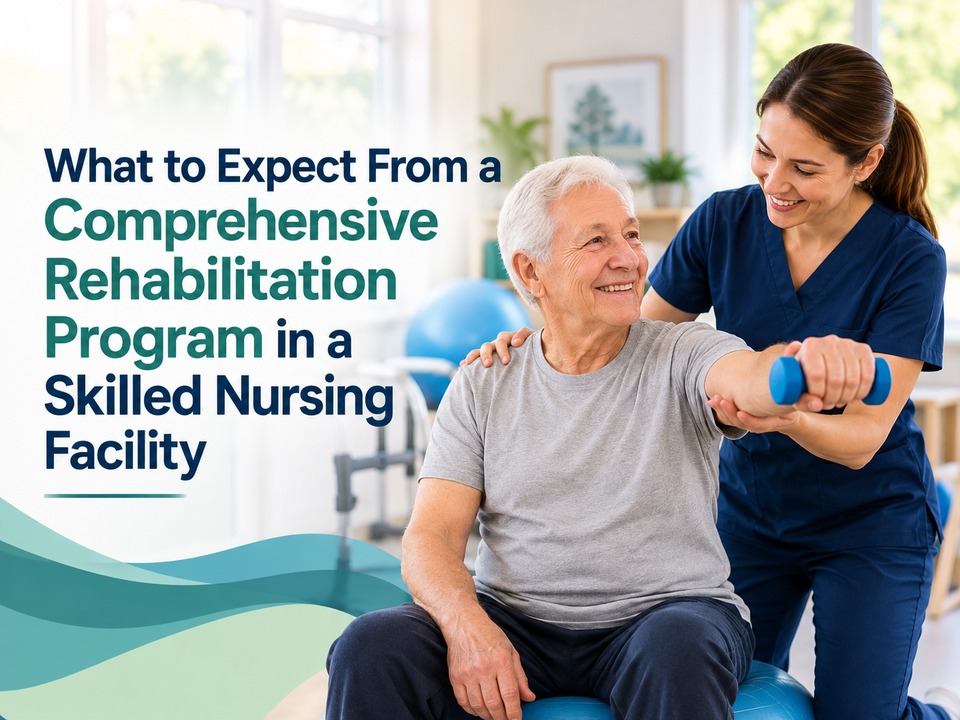
Leaving the hospital is a welcome milestone, but it doesn’t always mean your loved one is ready to go straight home.
After surgery, an injury, a serious illness, or an extended hospital stay, an older adult may still feel weak, unsteady, or unable to manage everyday activities safely. Someone who walked on their own before may now need a walker. Getting dressed can take far more effort, and the steps into the house may suddenly feel impossible. When more recovery time and support are needed, a skilled nursing facility like Whispering Pines Nursing & Rehabilitation here in Fayetteville can serve as a gentle bridge between the hospital and home.
Comprehensive rehabilitation services bring together therapy, skilled nursing, and individualized care planning to address the many challenges that can affect recovery. Rather than focusing on a single skill, rehabilitation looks at the whole person: how they move, complete daily activities, communicate, manage health needs, and prepare for the next stage of care. Knowing what to expect can make the process feel much less overwhelming for residents and families alike.
Jump To Section
The Big Picture
What Are Comprehensive Rehabilitation Services?
The word “rehabilitation” often brings to mind a single image: walking up and down a hallway with a physical therapist. Walking may certainly be part of the journey, but a comprehensive program addresses much more. Depending on each resident’s needs, rehabilitation may include:
Physical therapy
Occupational therapy
Speech therapy
Skilled nursing care
Nutritional support and other services
The exact combination varies, because not every resident needs the same type or intensity of care. A few examples:
After hip surgery, a resident may mainly need help rebuilding strength and mobility.
After a stroke, needs could involve movement, everyday activities, communication, or swallowing.
After a long hospital stay, someone who became much weaker may need to rebuild endurance before returning home.
The purpose of comprehensive rehabilitation is to look at each person’s needs as a whole and set goals that support meaningful recovery.
Is It Right for Us?
Who Can Benefit From a Skilled Nursing Rehabilitation Program?
Short-term rehabilitation may be appropriate for people recovering from many different medical situations. Residents often come to a skilled nursing facility following:
Orthopedic surgery
A stroke
A serious illness or injury
A hospitalization or other event that has temporarily reduced their ability to function independently
The common thread is usually a need for extra support before the next transition. For example:
Someone is medically stable enough to leave the hospital but can’t yet walk to the bathroom safely without help.
Another person can walk but has difficulty bathing and dressing.
Someone else has ongoing nursing needs that call for professional monitoring while they regain strength.
Not sure if skilled nursing rehabilitation is the right next step? The hospital care team, physician, and discharge planners can help you decide.
Getting Started
Rehabilitation Begins With an Individual Assessment
Effective rehabilitation shouldn’t begin with a generic list of exercises. It starts by getting to know the resident. When someone enters a rehabilitation program, the care team evaluates their medical and functional needs. Depending on the individual, therapy professionals may assess:
Strength, balance, mobility, and endurance
Transfers, such as moving from bed to chair
Communication, swallowing, and cognition
The ability to complete daily activities
The team also considers what the resident could do before their hospital stay, asking questions such as:
Could they walk independently, or did they use a cane or walker?
Were they able to prepare meals, get dressed, and use the bathroom without help?
Did they live alone or with family?
Are there stairs at home?
These details provide important context. If the goal is to return home, rehabilitation should focus on the abilities that matter most in that environment.
A resident with three steps at the front door may have very different mobility goals than someone returning to a wheelchair-accessible home.
Movement & Mobility
Physical Therapy Focuses on Movement and Mobility
Physical therapy is often a key part of rehabilitation after a hospital stay. Depending on the resident’s needs, it may address strength, balance, endurance, walking, transfers, range of motion, and the safe use of assistive devices. Early goals may be fairly basic, then build gradually as abilities improve:
Progress isn’t measured only by walking distance. Needing less assistance, keeping better balance, finishing an activity with fewer rest breaks, or moving with more control are all meaningful improvements.
Daily Living
Occupational Therapy Helps With Everyday Activities
Physical and occupational therapy are sometimes confused, but they generally address different parts of daily function. Occupational therapy often focuses on activities of daily living: the practical tasks people manage throughout the day, including:
Dressing
Bathing
Grooming
Toileting and other daily routines
Imagine a resident who has regained enough leg strength to stand but still can’t get dressed safely without significant help. Occupational therapy works on the specific skills involved in that task, and therapists may introduce adaptive techniques or equipment when appropriate.
The goal is functional independence to the extent possible for that individual. That doesn’t necessarily mean doing everything without help. Progress might mean moving from substantial assistance to minimal assistance, or learning a safer way to complete part of a task. Those improvements can make a real difference once someone returns home.
Communication & Swallowing
Speech Therapy Can Address More Than Speech
Speech therapy may be included when clinically appropriate, and its role reaches well beyond helping someone speak clearly. Speech-language pathologists may help with:
Communication difficulties that can follow a stroke, neurological condition, illness, or injury.
Cognitive-communication challenges, such as difficulties with thinking skills that affect communication.
Swallowing concerns, which can affect nutrition, hydration, comfort, and safety. When concerns are identified, an appropriate evaluation helps determine strategies or recommendations based on the resident’s needs.
Not every rehabilitation resident needs speech therapy. Like every other service, it’s provided according to the individual’s condition and plan of care.
Medical Support
Skilled Nursing Supports the Medical Side of Recovery
Therapy is only one part of rehabilitation in a skilled nursing facility. Some residents continue to have medical needs after leaving the hospital. Depending on their condition and physician orders, skilled nursing services may include:
Medication management
Wound care
Monitoring health conditions
Other clinical services
Nurses also watch for changes that may affect rehabilitation. Perhaps pain is making it hard for a resident to take part in therapy. Maybe their appetite has dropped, fatigue has increased, or a new symptom has appeared. Open communication between nursing and rehabilitation professionals means these concerns are considered as part of the whole recovery process.
This coordinated approach is especially important for residents who are recovering physically while also managing chronic or complex medical conditions.
Built Around the Person
Rehabilitation Goals Should Be Personal
The same diagnosis doesn’t automatically mean the same goals. Two people may have the same type of surgery and completely different needs. One lived independently and hopes to return to a two-story home. The other already used a walker and received help from family with several daily activities. Their rehabilitation plans should reflect those differences.
Personalized goals may include:
Walking a certain distance
Completing transfers with less assistance
Improving balance and increasing endurance
Dressing more independently
Safely navigating the home environment
Goals can be wonderfully personal, too. Someone may want to regain enough mobility to attend church. Another may be motivated by getting back to gardening, preparing breakfast, or walking outside with a spouse. Connecting therapy to what matters in a person’s real life makes goals easier to understand and far more meaningful.
Celebrating Every Gain
Progress May Happen in Small Steps
Families naturally hope to see their loved one improve quickly. Recovery, however, isn’t always a straight line. One day a resident may have plenty of energy and do well in therapy; the next day they may feel more tired or uncomfortable. Pain, sleep, medications, appetite, medical conditions, and the demands of earlier therapy sessions can all play a part.
That’s why rehabilitation professionals look at patterns over time. Small changes can be important, such as:
A resident who needed two people to help with a transfer now needs only one.
Someone who could stand for only a short time gradually tolerates more activity.
Another resident completes more of the morning dressing routine without assistance.
These aren’t small achievements. They are functional gains that build toward greater independence.
Planning Ahead
Preparing for a Safe Return Home
One of the most important parts of short-term rehabilitation is planning for what happens after the stay ends. Discharge planning may consider the resident’s mobility, ability to perform daily activities, medical needs, home environment, caregiver support, and any equipment or continued services that may be recommended.
Families can share valuable information with the rehabilitation team, including:
Steps at the entrance or inside the home
Narrow hallways
Bathroom arrangements
Where the bedroom is located
Who will be available to help
Whether the resident normally lives alone
Depending on individual circumstances, recommendations after discharge may include continued therapy, home health services, assistive equipment, caregiver support, follow-up appointments, or other services.
The goal isn’t necessarily for every resident to be completely independent before leaving rehabilitation. Discharge planning focuses on a safe, appropriate transition based on the person’s current needs.
Your Role Matters
What Families Can Do During Rehabilitation
Families can play a wonderfully supportive role without putting unnecessary pressure on their loved one. Here are a few ways to help:
Ask about goals and progress. Instead of focusing only on how far someone walked, ask whether they need less assistance, have better balance, tolerate more activity, or complete more daily tasks on their own.
Offer encouragement. Recovery can be frustrating, especially when progress feels slow. Recognizing small improvements helps residents see how far they’ve come rather than dwelling on what they can’t do yet.
Keep communication open. If you’re unsure about a goal, a discharge recommendation, or a change in your loved one’s abilities, ask questions.
Understanding the rehabilitation plan makes it easier for everyone to work toward the same goals together.
Close to Home
Comprehensive Rehabilitation at Whispering Pines
At Whispering Pines in Fayetteville, NC, rehabilitation is centered on the individual needs and goals of each resident. Depending on each person’s condition and plan of care, our comprehensive rehabilitation services may bring together therapy and skilled nursing support to address the challenges that can follow illness, surgery, injury, or hospitalization.
For families, knowing what to expect makes the move into rehabilitation far less intimidating. The process begins with understanding the individual, setting appropriate goals, and then working toward improvements that support everyday function and the next stage of recovery.
Sometimes success means walking farther. Other times, it means standing more steadily, getting dressed with less help, transferring safely into a chair, or having enough endurance to manage a morning routine. Those functional improvements are what connect rehabilitation with real life.
If you’re considering Whispering Pines for a loved one, we welcome your questions about:
Available therapy and nursing services
Individualized care planning and therapy goals
Nursing support and progress updates
Discharge planning
Your Questions, Answered
Frequently Asked Questions About Comprehensive Rehabilitation Services
What are comprehensive rehabilitation services in a skilled nursing facility?
Comprehensive rehabilitation services may combine physical therapy, occupational therapy, speech therapy when appropriate, skilled nursing care, and other support based on an individual’s needs. The specific services depend on the resident’s condition, abilities, medical orders, and rehabilitation goals.
How long does short-term rehabilitation usually last?
There is no standard length of stay that applies to everyone. The duration can depend on the reason for admission, medical needs, progress, insurance coverage, previous abilities, discharge goals, and other individual factors.
What is the difference between physical and occupational therapy?
Physical therapy commonly focuses on strength, balance, walking, transfers, and mobility. Occupational therapy often addresses everyday activities such as bathing, dressing, grooming, and toileting. The two disciplines may work together to support greater function and independence.
How is progress measured during skilled nursing rehabilitation?
Progress can be measured in several ways, including changes in strength, balance, walking, endurance, transfers, daily activities, safety, and the amount of assistance a resident needs. Rehabilitation teams compare current abilities with the resident’s starting point and individualized goals.
What should families ask before choosing a rehabilitation facility?
Families can ask which therapy and nursing services are available, how rehabilitation plans are individualized, how often progress is evaluated, how families receive updates, and how discharge planning works. It’s also helpful to discuss the individual’s specific medical and functional needs before admission to confirm the facility can provide the appropriate level of care.
Let’s Plan Your Loved One’s Recovery Together
Our Fayetteville rehabilitation team is here to answer your questions about therapy, skilled nursing, and discharge planning. Visit us, meet our caring staff, and see how we help every resident take the next step toward home.