- Follow Us:
- (910) 488-0711
- [email protected]


What to Expect from Speech Therapy During Stroke Recovery
September 9, 2026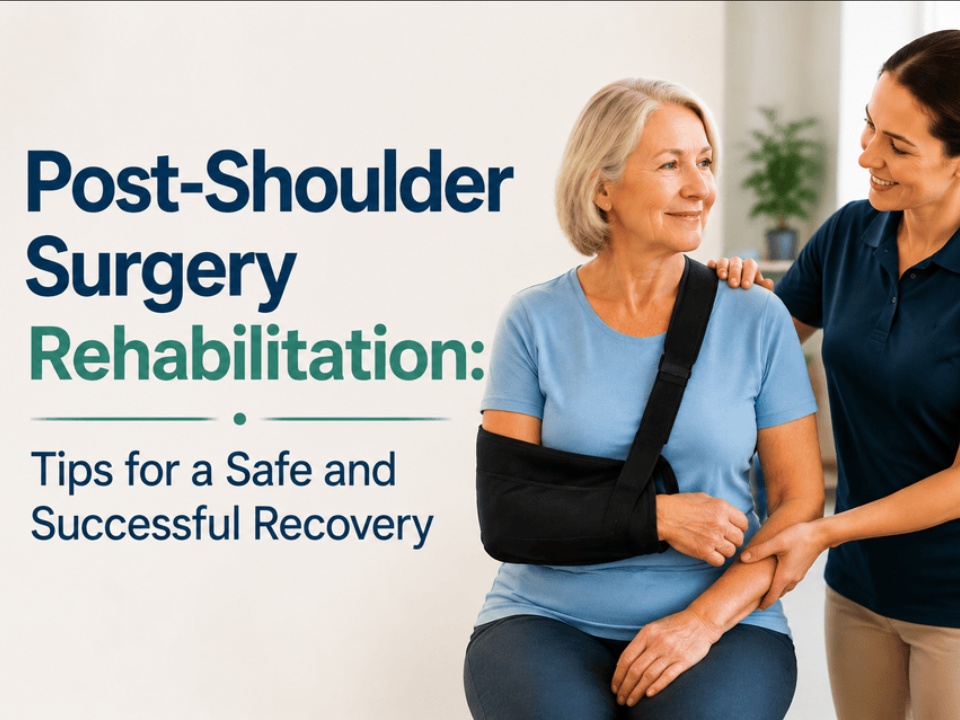
Surgery is only the first step. The weeks that follow are where patience, guidance, and steady support help your shoulder heal and your independence return.
Shoulder surgery can be an important step toward reducing pain and restoring function, but the procedure itself is only one part of the recovery process. What happens in the days and weeks afterward can be just as important. Following your surgeon’s instructions, managing discomfort, protecting the healing shoulder, and taking part in an appropriate rehabilitation program can all help you progress safely toward greater strength and independence.
For many people, post shoulder surgery rehabilitation requires patience. Everyday activities such as getting dressed, bathing, preparing meals, or reaching for something on a shelf may temporarily become much harder. Older adults and people with additional medical needs may also require more assistance than family members can comfortably provide at home.
Knowing what to expect can make the recovery period feel more manageable. While every procedure and recovery plan is different, the gentle strategies below can help patients and families prepare for the road ahead.
Jump To Section
Surgical Guidance
Follow Your Post Surgical Instructions Carefully
One of the most important parts of shoulder surgery recovery is following the specific instructions provided by your surgeon and healthcare team. Depending on the procedure, you may need to wear a sling or other supportive device for a period of time, and you may have restrictions on:
Lifting and reaching
Driving
Sleeping positions
Certain movements of the affected arm
These limits can feel frustrating, especially once pain begins to ease and you feel ready to do more.
Feeling better doesn’t necessarily mean the tissues inside the shoulder have fully healed.
Your rehabilitation team can help you understand which activities are appropriate at each stage of recovery. If you’re unsure whether you should try a particular movement or activity, ask first.
Comfort Care
Stay Ahead of Pain and Discomfort
Some discomfort is expected after shoulder surgery, but managing pain well can make everyday activities and rehabilitation easier.
Take medications as directed by your healthcare provider, and never change prescribed medications or doses without first talking with the appropriate healthcare professional.
Speak up if pain is interfering with sleep, daily activities, or your participation in therapy.
Use recommended comfort strategies such as cold therapy or positioning to help manage swelling, following your provider’s instructions on how and when to use them.
Comfort matters because rehabilitation requires participation. When pain is well managed, patients often find it easier to focus on exercises and daily activities while still respecting the limits that protect the healing shoulder.
Therapy Exercises
Take Prescribed Exercises Seriously, but Don’t Do Too Much Too Soon
Exercise is often a major part of post shoulder surgery rehabilitation, but more exercise isn’t automatically better.
Your surgeon and rehabilitation professionals will decide when different types of movement and strengthening activities are appropriate. Early rehabilitation may focus on protecting the surgical repair while keeping other parts of the body moving safely. As healing progresses, the therapy plan may gradually add range of motion and strengthening activities.
Don’t overdo it. Perform exercises exactly as instructed. Trying routines found online or moving to heavier resistance without approval could place unnecessary stress on healing tissues.
Don’t underdo it either. Avoiding prescribed movement out of fear of discomfort may interfere with the rehabilitation plan. Your therapist can help you tell the difference between expected effort and symptoms that should be reported.
The goal is steady, appropriate progress rather than rushing through recovery.
Daily Living
Prepare for Everyday Activities to Feel Different
One of the biggest surprises after shoulder surgery is how many ordinary tasks involve both arms. When one shoulder has movement restrictions, these activities may all become more challenging:
Getting dressed and washing your hair
Bathing
Preparing food and opening containers
Completing household tasks
Occupational therapy can be especially valuable at this stage. An occupational therapist may help patients practice safer, more efficient ways to complete activities of daily living while following post surgical precautions.
Small adjustments can make a big difference. Clothing that’s easier to put on, frequently used items placed within comfortable reach, and temporary help with household responsibilities can all reduce unnecessary strain. For someone who lives alone, planning for these needs before surgery is particularly important.
Mobility and Safety
Don’t Forget About Overall Mobility and Safety
Shoulder surgery affects the upper body, but recovery can influence overall mobility as well. A sling may change how someone balances or moves. A person who normally relies on a walker, cane, or other mobility device may face added challenges if using that equipment requires the affected arm. Pain medication, poor sleep, weakness after hospitalization, or reduced activity can also contribute to mobility concerns.
That’s why rehabilitation may need to consider more than the shoulder itself. Physical and occupational therapists can evaluate mobility, transfers, balance, and everyday activities while helping patients follow surgical precautions. The goal is to maintain as much safe independence as possible without compromising the healing shoulder.
Falls are especially important to avoid during recovery, since instinctively reaching out with the surgical arm could cause injury. A few simple habits help:
Keep walkways clear
Use recommended assistive equipment
Wear appropriate footwear
Ask for help when needed
Warning Signs
Watch for Signs That Should Be Reported
Your healthcare team should give you specific instructions about what to watch for after surgery. Depending on the procedure and your medical history, certain symptoms may call for contacting the surgeon or another healthcare provider, such as:
Worsening or uncontrolled pain
Increasing redness or drainage around the incision
Fever
Unusual swelling
New numbness or other significant changes
Follow the discharge instructions you receive, since recommendations can vary based on the type of surgery. Patients and caregivers should never hesitate to ask questions if something doesn’t seem right. Prompt communication allows the appropriate healthcare professional to decide whether a symptom is expected or needs further evaluation.
Rest and Nutrition
Make Rest Part of the Rehabilitation Plan
Recovery isn’t only about exercise. The body also needs time and energy to heal.
Sleep: Rest can be challenging when normal sleeping positions aren’t comfortable or permitted. Your healthcare provider or therapist may recommend positioning strategies based on your procedure and restrictions.
Pacing: Balance activity with appropriate periods of rest throughout the day. Pushing until you’re exhausted doesn’t necessarily speed up progress.
Nutrition and hydration: Balanced meals with adequate protein and nutrients give the body the resources it needs to heal. Patients with specific dietary requirements or medical conditions should follow their healthcare team’s recommendations.
Care Options
Consider Whether Additional Support Is Needed During Recovery
Some patients can recover safely at home with outpatient therapy and help from family or friends. Others may temporarily need more support.
A skilled nursing and rehabilitation setting may be appropriate when a patient needs nursing oversight, help with daily activities, medication management, rehabilitation services, or extra assistance because of other health or mobility concerns.
Families may also explore a respite care nursing home when a loved one needs temporary care and the usual caregiver cannot safely provide the necessary level of assistance. Respite services and admission requirements vary by facility, so it’s best to speak directly with the care provider about available options and whether the setting fits your loved one’s needs.
The right recovery environment should be based on:
The individual’s medical condition
The surgeon’s recommendations
Functional abilities
The home environment and available support system
Goal Setting
Set Realistic Goals and Recognize Small Improvements
Shoulder recovery can take time, and progress isn’t always a straight line. Rather than focusing only on when you’ll feel “back to normal,” look for smaller milestones that represent meaningful improvement:
Completing a daily activity more independently
Experiencing less discomfort
Improving your approved range of motion
Progressing to a new stage of therapy
Your rehabilitation team can help set realistic short term and long term goals based on your surgery and abilities.
Personal goals matter, too. One person may want to return to gardening, while another hopes to comfortably prepare meals, play with grandchildren, or go back to work. Sharing these priorities with your therapists helps connect rehabilitation exercises to the activities that make everyday life meaningful.
Skilled Rehabilitation
How Skilled Rehabilitation Can Support Shoulder Surgery Recovery
Recovering from shoulder surgery can involve several needs at once. Beyond therapy, some patients may need help with medications, personal care, mobility, meals, or managing other health conditions. In a skilled nursing and rehabilitation environment, members of the healthcare team work together to address these needs:
Physical and occupational therapy may help patients regain mobility, strength, and greater independence with everyday activities as permitted by the surgeon.
Nursing professionals can provide physician directed clinical care and monitor changes in the patient’s condition.
Team coordination helps ensure everyone understands the patient’s precautions and recovery goals.
This kind of structured support can be especially helpful for older adults who aren’t yet ready to manage recovery on their own at home.
Moving Forward
Moving Forward With Your Recovery
Successful post shoulder surgery rehabilitation is rarely about doing as much as possible as quickly as possible. It’s about making safe, appropriate progress while giving the shoulder time to heal.
Follow your surgeon’s precautions, take part in prescribed therapy, manage discomfort according to medical guidance, and ask for help when everyday activities become difficult. Most importantly, remember that every person’s recovery timeline is different. Your rehabilitation plan should reflect your surgery, overall health, abilities, and personal goals rather than someone else’s experience.
At Whispering Pines Nursing & Rehabilitation, right here in Fayetteville, our rehabilitation and skilled nursing services are designed to provide individualized support based on each resident’s needs. For patients who need extra care after surgery, a coordinated rehabilitation environment can provide therapy, nursing support, and help with daily activities while working toward greater independence.
Whether recovery happens at home, through outpatient services, or in a skilled nursing setting, the same principle applies: protect the healing shoulder while steadily working toward the activities that matter most.
With appropriate professional guidance, patience, and consistent participation, each milestone can bring you another step closer to everyday life.
Recover With Support That Feels Like Family
If you or a loved one needs therapy, nursing care, and a helping hand after shoulder surgery, the Whispering Pines team is here to talk through your options and plan a recovery that fits your needs. Learn more about our rehabilitation services or reach out to our admissions team today.