- Follow Us:
- (910) 488-0711
- [email protected]

Transitioning from Hospital to Nursing Home in Fayetteville, NC: A Family Guide
July 22, 2026
5 Everyday Warning Signs Your Senior Parent Needs Extra Care
August 3, 2026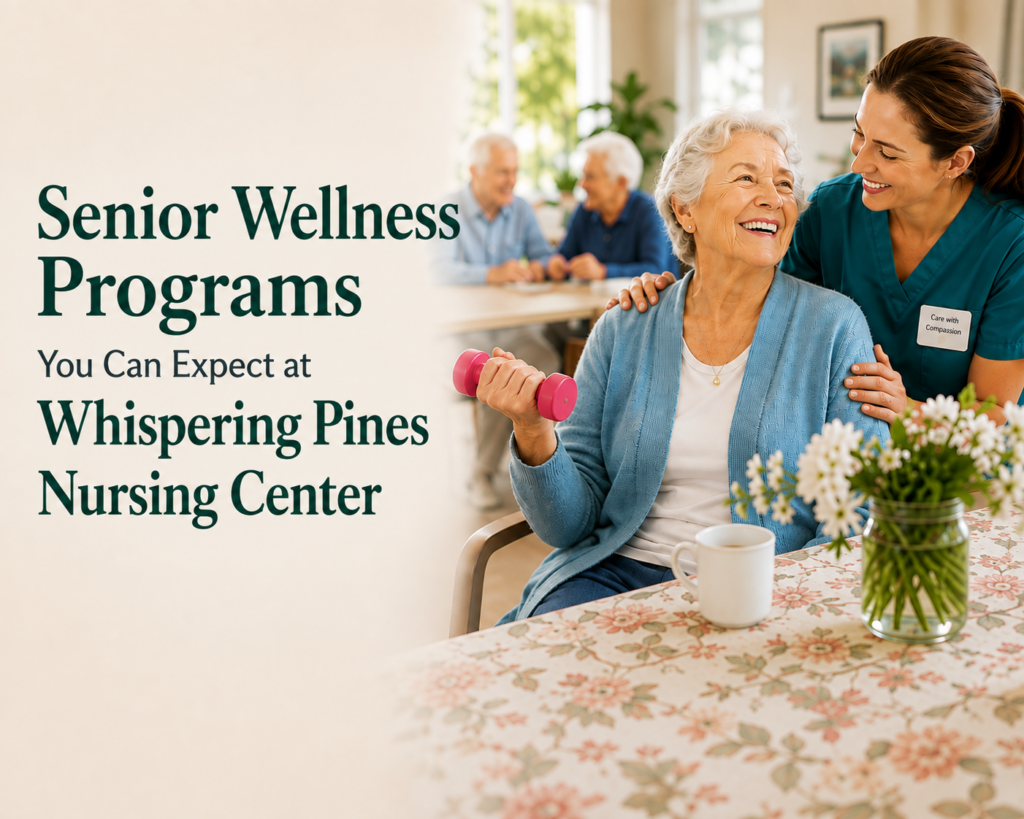
Real wellness is about far more than managing medical conditions. It is about how a person gets to spend each day.
For seniors living in a skilled nursing or rehabilitation community, true wellness involves staying physically active, socially connected, mentally engaged, emotionally supported, and as independent as possible. A well-rounded approach can make everyday life more enjoyable while helping residents maintain their abilities and feel a greater sense of purpose.
When families begin searching for a Whispering Pines nursing center, it helps to look beyond basic medical services and consider the complete resident experience. Fitness and mobility programs, rehabilitation therapies, nutritious dining, recreational activities, and opportunities for social and spiritual connection all contribute to a healthier, more fulfilling lifestyle. Understanding what these programs may include can help families choose a community that supports not only a loved one’s healthcare needs but also their overall quality of life.
Jump To Section
Where It Starts
Personalized Health and Wellness Assessments
Every senior arrives with a different health history, level of mobility, personal interests, and set of goals. That is why an effective wellness program begins by getting to know the individual. A thorough assessment may consider:
Clinical picture including medical conditions, current medications, and nutritional needs
Mobility and fall risk along with cognitive abilities and how much help is needed with everyday activities
The person behind the chart including personal routines, preferences, hobbies, and goals
This information helps create an individualized plan rather than expecting every resident to follow the same routine. As needs change, the plan can be updated so that care and wellness activities continue to provide the appropriate level of support.
Staying Strong
Physical Fitness and Mobility Programs
Staying active is an important part of maintaining strength and independence at any age. For older adults, regular movement can be especially valuable for supporting balance, flexibility, endurance, and confidence with everyday activities.
Wellness programs may include chair exercises, stretching, walking groups, balance activities, or other forms of movement adapted to residents’ individual abilities. These activities are not about intense workouts. Instead, they encourage safe and consistent movement that can help residents continue doing the things that matter to them.
Something as simple as improving the strength needed to rise from a chair or walk comfortably to the dining room can have a meaningful impact on independence.
Recovery Support
Rehabilitation and Therapy Services
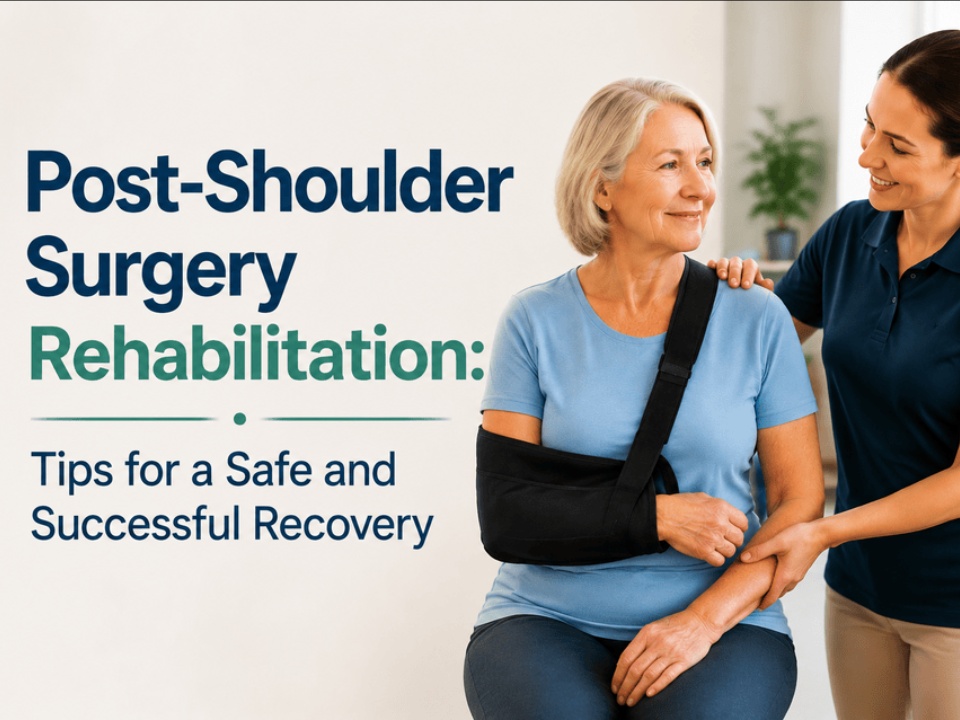
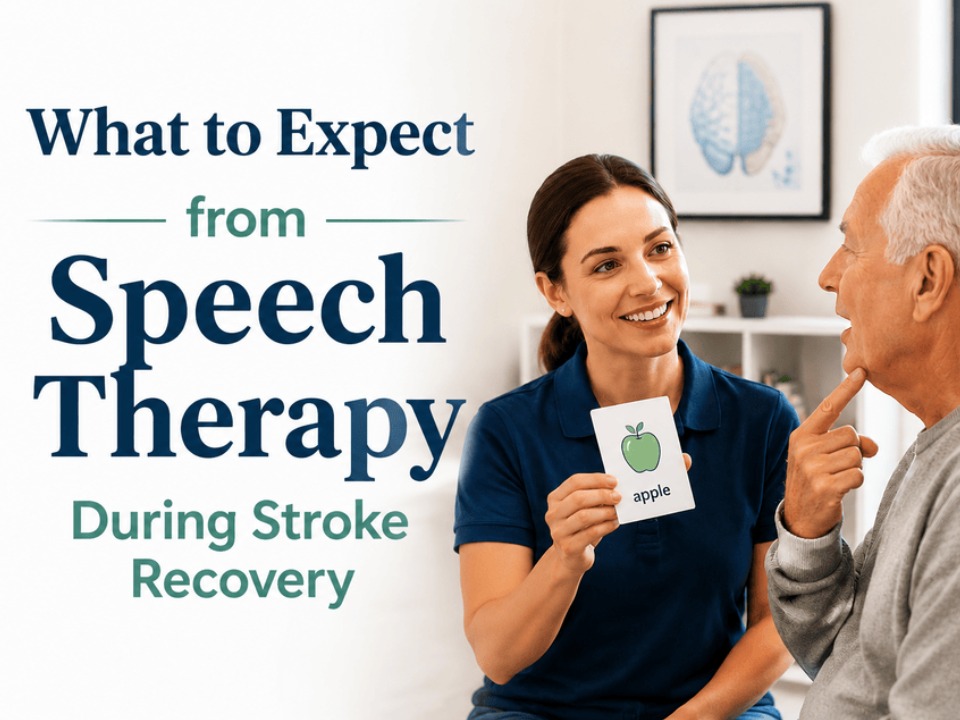
Some residents need more specialized support following surgery, illness, injury, or hospitalization. Physical, occupational, and speech therapy can play an important role in helping these individuals recover skills and work toward greater independence.
Physical therapy focused on strength, balance, walking, and overall mobility
Occupational therapy that rebuilds the skills needed for dressing, bathing, and other daily routines
Speech therapy addressing communication, cognition, or swallowing difficulties
Families comparing a Whispering Pines nursing center with other rehab centers in Fayetteville, NC should ask about available therapy services and how rehabilitation plans are personalized. A coordinated approach can help residents work toward practical goals that directly improve everyday life.
At the Table
Nutrition and Healthy Dining
Good nutrition supports nearly every aspect of senior wellness, from maintaining energy and muscle strength to supporting healing and managing chronic health conditions.
A comprehensive wellness approach considers both nutritional needs and the enjoyment of dining. Residents may require specialized diets based on medical conditions, swallowing difficulties, allergies, or physician recommendations, but meals should still be appealing and enjoyable.
Dining also provides valuable opportunities for social connection. Sharing a meal with others can encourage conversation, establish comforting routines, and make mealtimes an enjoyable part of the day rather than simply a nutritional necessity.
Keeping the Mind Active
Cognitive Wellness Programs
Keeping the mind active is just as important as supporting physical health. Cognitive wellness activities may include puzzles, trivia, reading groups, games, music, reminiscing activities, or creative projects. These programs can encourage memory, concentration, problem-solving, and conversation while also providing opportunities for enjoyment.
Activities should be adapted to individual abilities so residents can participate without feeling frustrated or overwhelmed. The goal is to create positive experiences that encourage engagement, curiosity, and a sense of accomplishment.
Feeling at Home
Emotional and Mental Wellness Support
Moving into a nursing or rehabilitation community can be a significant adjustment. Residents may also be coping with changes in health, mobility, independence, or familiar routines.
Compassionate caregivers can help make these transitions easier by listening, offering reassurance, encouraging participation, and helping residents establish comfortable daily routines. Staying connected with family and participating in enjoyable activities can also provide important emotional support.
Emotional health and physical health are closely connected. When residents feel secure, valued, and involved in their community, they may be more motivated to participate in therapy and daily activities.
Faith and Reflection
Spiritual Wellness Opportunities
For many older adults, faith and spirituality remain meaningful sources of comfort, identity, and connection. A nursing center may offer:
Religious services, prayer groups, and Bible studies
Visits from local faith leaders who know the community
Quiet spaces set aside for personal reflection
These opportunities allow residents to continue practicing traditions that have been important throughout their lives. Spiritual wellness is personal, so the best programs respect each resident’s individual beliefs and preferences while making opportunities available to those who wish to participate.
Fresh Air
Outdoor and Nature-Based Activities
Fresh air and time outdoors can provide a welcome change of scenery while supporting relaxation and social engagement. Depending on the community and the weather, residents may enjoy patios, gardens, walking areas, outdoor gatherings, seasonal events, or simply sitting outside with family members.
Even brief periods outdoors can provide sensory stimulation and help residents feel connected to the changing seasons. Outdoor activities should always consider mobility, temperature, hydration, and individual health needs so residents can participate safely and comfortably.
Ongoing Care
Chronic Condition Management
Many seniors live with ongoing conditions such as diabetes, heart disease, arthritis, COPD, or other health concerns that require regular monitoring.
In a skilled nursing environment, wellness programs can complement clinical care by encouraging appropriate activity, good nutrition, medication management, and healthy daily routines. Nurses, therapists, dietary professionals, and other members of the care team can work together to address changing needs.
This coordinated approach helps residents manage their health while continuing to participate in meaningful activities, rather than allowing a diagnosis to define everyday life.
Family Involvement
Family Participation in Wellness Programs
Families remain an important part of a resident’s support system, even when professional caregivers are providing daily assistance. Visiting regularly, attending special events, participating in care planning, or simply encouraging a loved one to try a new activity can strengthen family connections and support emotional well-being.
Families can also provide valuable insight into a resident’s interests, routines, and preferences, helping staff create more personalized experiences. Open communication between families and the care team creates a stronger partnership and helps everyone work toward the same goals.
On Your Tour
Questions to Ask About Senior Wellness Programs
When touring a nursing or rehabilitation community, families should ask questions that reveal what daily life is actually like:
How are activities adapted for different abilities, and how often are exercise or recreational programs offered?
Do residents have real choices in how they spend their time?
How are therapy services coordinated with other activities throughout the week?
Are specialized diets available, and how can families participate?
How do wellness plans change as a resident’s needs evolve?
Do not forget to simply observe the community during your visit. Are residents engaged? Do staff members interact warmly with them? Are there inviting spaces for activities and socializing? The atmosphere can often tell you just as much as an activity calendar.
Making the Choice
Choosing the Right Whispering Pines Nursing Center
Choosing the right care community means considering the whole person. Clinical expertise and safety are essential, but so are independence, social connection, emotional well-being, personal interests, and opportunities to enjoy each day.
When comparing a Whispering Pines nursing center or researching rehab centers in Fayetteville, NC, look for a community that takes an individualized approach to wellness. Ask how the team supports residents physically, socially, emotionally, cognitively, and spiritually, and consider whether the available programs align with your loved one’s personality and needs.
At Whispering Pines Nursing & Rehabilitation, set on 8.5 wooded acres in an established Fayetteville neighborhood, our goal is to provide compassionate, personalized care while creating opportunities for residents to remain active, connected, and engaged. Through nursing support, rehabilitation services, activities, and individualized care, we strive to help each resident enjoy the highest possible quality of life. You are welcome to get in touch with our team to talk through what daily life here looks like.
Bringing It Together
Wellness Is About the Whole Person
Senior wellness is about much more than treating illness. It is about helping people maintain their abilities, enjoy meaningful relationships, stay engaged with their interests, and experience a sense of purpose throughout each day.
From physical fitness and rehabilitation to nutritious dining, social activities, cognitive engagement, spiritual opportunities, and family involvement, a well-rounded wellness program supports the whole person. By asking thoughtful questions and exploring what a community offers beyond basic care, families can feel more confident choosing an environment where their loved one can feel supported and at home.
Looking for Personalized Care and Meaningful Wellness Programs?
Contact Whispering Pines to learn more about our nursing, rehabilitation, and resident activity services, or come see the grounds for yourself.


Everyday Connection
Social and Recreational Activities
Social connection is an essential part of healthy aging. Isolation and loneliness can negatively affect emotional and physical well-being, which is why meaningful activities are an important part of life in a nursing and rehabilitation community. An activity calendar may include:
Games, arts and crafts, and music programs
Holiday celebrations, themed events, and live entertainment
Exercise groups and regular opportunities to gather with other residents
The most effective programs offer variety, because not everyone enjoys the same activities. Some residents may love a lively group event, while others prefer a smaller gathering, a quiet hobby, or a one-on-one conversation. Providing different ways to participate helps residents stay connected in ways that feel comfortable and meaningful to them.