- Follow Us:
- (910) 488-0711
- [email protected]

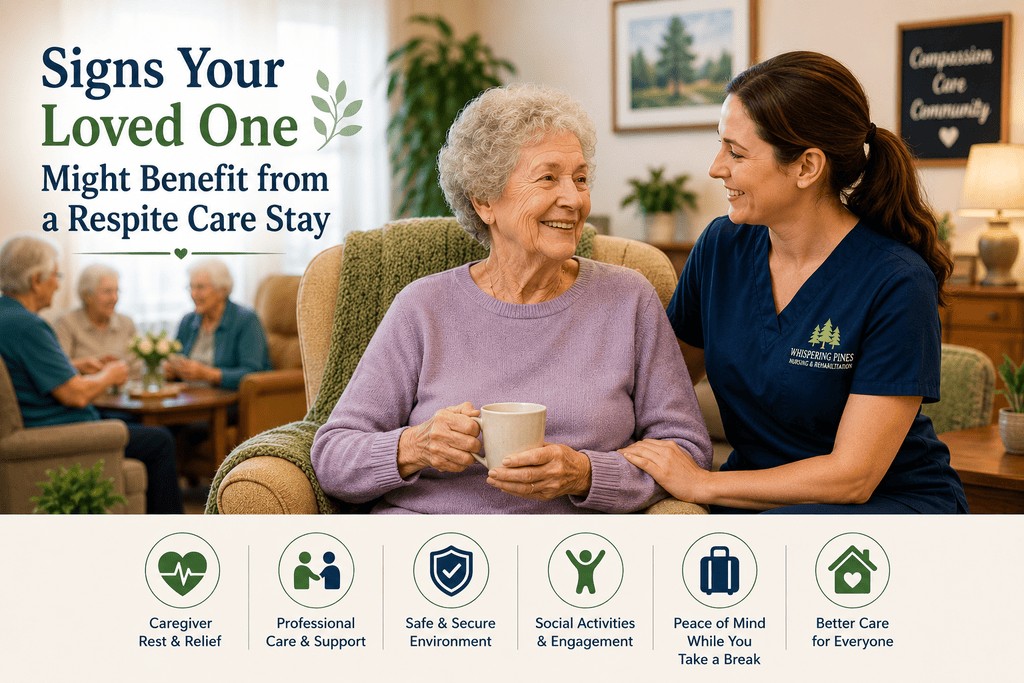
Signs Your Loved One Might Benefit from a Respite Care Stay
June 18, 2026
Senior Wellness Programs You Can Expect at Whispering Pines Nursing Center
July 28, 2026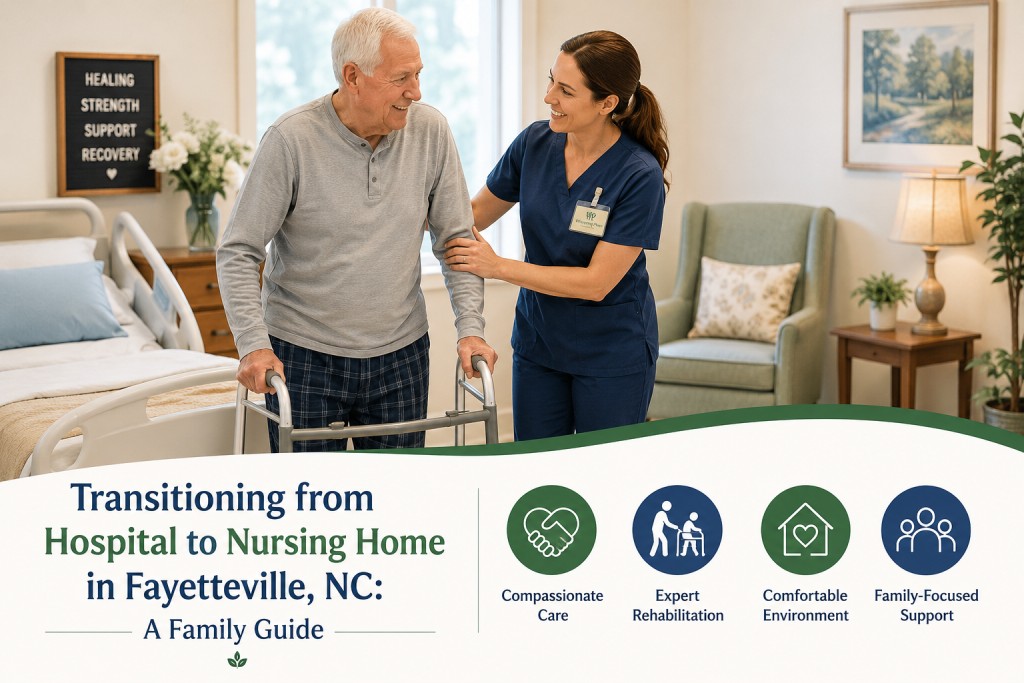
Leaving the hospital is a milestone, but recovery is not always finished. Here is how families can make the move to skilled nursing care feel calm, prepared, and hopeful.
Leaving the hospital is often an exciting milestone, but it does not always mean the recovery journey is complete. Many individuals need additional care, therapy, and medical support before they can safely return home. For families, deciding on the next step can feel overwhelming, especially if it is the first time navigating post-hospital care.
If your loved one has been referred to a skilled nursing facility, you likely have questions about what to expect and how to make the transition as smooth as possible. The good news is that with the right preparation and a compassionate care team, this next chapter can provide the support your loved one needs to regain strength, confidence, and independence. This guide walks you through the transition process and explains how facilities like Whispering Pines Nursing & Rehabilitation help patients recover comfortably while giving families peace of mind.
Jump To Section
The Basics
Understanding Nursing Home Care in Fayetteville, NC
Many people hear the term “nursing home” and assume it only refers to long-term care. In reality, many nursing homes in Fayetteville, NC that residents rely on also provide short-term rehabilitation and skilled nursing services for individuals recovering from surgery, illness, injury, or hospitalization.
A skilled nursing facility offers much more than a place to recover. Patients receive around-the-clock nursing care, physician oversight, medication management, rehabilitation therapies, nutritional support, and assistance with daily activities as needed. Depending on a patient’s condition, services may include:
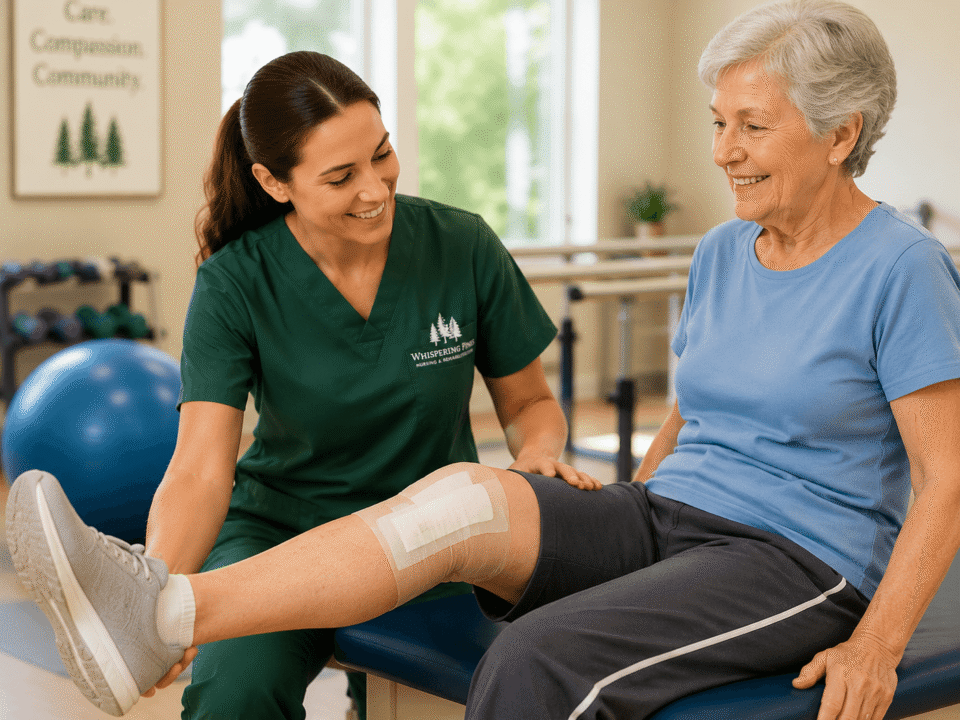
Physical therapy
Occupational therapy
Speech therapy
Wound care
Pain management
Cardiac or stroke recovery support
Post-surgical rehabilitation
The goal is to help each individual recover safely while preparing for a successful return home whenever possible.
Before the Move
Preparing for the Transition
Preparation can make a significant difference in helping both patients and families feel more confident about the move. Before your loved one leaves the hospital, you will typically work with the hospital’s discharge planner or case manager to coordinate the transfer. They can help explain why skilled nursing care has been recommended and assist with selecting an appropriate rehabilitation facility.
As you are preparing, consider gathering:
Insurance and Medicare information
Current medication lists
Medical history and physician contact information
Comfortable clothing and supportive shoes
Personal hygiene items
Eyeglasses, hearing aids, or dentures
Favorite photos or small personal items that provide comfort
It is also helpful to ask questions before admission, such as:
How often will therapy be provided?
What are the visiting hours?
How will families receive updates?
What are the expected recovery goals?
What should we bring from home?
Having these conversations ahead of time helps eliminate uncertainty and ensures everyone understands the plan of care.
The First Day
What to Expect on Arrival
The first day at a skilled nursing facility is focused on helping your loved one settle in comfortably. Upon arrival, the care team performs a comprehensive assessment to better understand the patient’s medical needs, current abilities, and rehabilitation goals. Physicians, nurses, therapists, dietitians, and other healthcare professionals work together to create an individualized care plan.
This assessment often includes:
Reviewing medical records
Evaluating mobility and strength
Assessing nutritional needs
Reviewing medications
Establishing rehabilitation goals
Identifying any special medical concerns
Once the evaluation is complete, therapy schedules and nursing care plans begin to take shape. Although adjusting to a new environment can feel overwhelming at first, many patients quickly find comfort in developing daily routines and getting to know the staff caring for them.
Recovery Together
Involving Family in the Recovery Process
Recovery is most successful when families remain actively involved. Even though your loved one is receiving professional care, your encouragement and support continue to play an important role throughout the rehabilitation journey. Families can stay engaged by:
Visiting regularly
Attending care plan meetings
Asking questions about therapy progress
Celebrating milestones together
Encouraging participation in activities
Communicating any concerns with the care team
Open communication between healthcare providers and family members creates a stronger partnership that benefits everyone involved. Patients often feel more motivated and confident when they know their loved ones are actively supporting their recovery.
Adjusting
Common Challenges and How to Handle Them
Every transition comes with an adjustment period. Some patients may initially feel anxious, frustrated, or discouraged after leaving the hospital. Others may worry about being away from home or becoming dependent on others for assistance. These feelings are completely normal. Families can help by offering reassurance, maintaining a positive attitude, and encouraging patience throughout the recovery process. Some common challenges include:
Adjusting to a new routine. Daily schedules often include therapy sessions, medication administration, meals, and nursing care. It may take several days to become comfortable with this new routine.
Fatigue during therapy. Rehabilitation can be physically demanding, especially after surgery or illness. Encourage your loved one to focus on steady progress rather than immediate results.
Emotional ups and downs. Recovery often includes both good days and difficult ones. Regular visits, phone calls, and emotional support can make a tremendous difference.
Concerns about going home. Many patients worry about whether they will be ready to return home. Therapy teams work closely with residents to build the strength, confidence, and skills needed for a safe transition. Discharge planning begins early, helping patients and families prepare for continued success after rehabilitation.
Family Playbook
Tips for a Successful Transition
While every recovery journey is unique, there are several ways families can help make the transition smoother.
Stay informed. Ask questions and maintain regular communication with the healthcare team.
Encourage participation. Therapy sessions are an important part of recovery, even when they feel challenging.
Personalize the room. Bringing familiar blankets, photos, books, or favorite decorations can help your loved one feel more at home.
Be patient. Healing takes time, and progress often comes in small but meaningful steps.
Celebrate milestones. Walking farther, climbing stairs, improving balance, or gaining independence with daily tasks are all accomplishments worth recognizing.
Trust the care team. Skilled nurses, therapists, and physicians are dedicated to helping patients recover safely while providing compassionate support throughout the process.
The Whispering Pines Difference
Why Families Choose Whispering Pines
Choosing a rehabilitation facility is one of the most important healthcare decisions a family can make. At Whispering Pines, set on 8.5 acres of wooded grounds in Fayetteville, we understand that every patient arrives with unique medical needs, personal goals, and concerns about the recovery journey ahead.
Our interdisciplinary team provides individualized care plans, skilled nursing services, rehabilitation therapies, and compassionate support designed to help residents regain strength, restore independence, and improve their quality of life. Just as importantly, we believe families are an essential part of the recovery process and strive to maintain open communication every step of the way. Whether your loved one is recovering after surgery, illness, injury, or hospitalization, our goal is to provide expert care in a welcoming environment where healing can truly begin.
Looking Ahead
A New Chapter of Healing
Transitioning from the hospital to a skilled nursing facility can feel like a major life change, but it also represents an important opportunity for healing and recovery. With thoughtful preparation, open communication, and the support of an experienced rehabilitation team, families can help their loved ones navigate this transition with confidence.
For those exploring nursing homes in Fayetteville, NC, families trust that choosing a facility that prioritizes personalized care, skilled rehabilitation, and family involvement can make all the difference. At Whispering Pines, we are committed to helping every resident recover with dignity, compassion, and the individualized support they deserve as they work toward returning home and enjoying the highest possible quality of life.
Planning a Move from Hospital to Rehab?
Our admissions team can walk you through the transition, answer your questions, and help your loved one settle in comfortably. Reach out to schedule a tour or start the conversation today.